Amazing
Japan/China
Available until: 02/08/2024
13 Days - Japan & China Culture, History & Sights
Embark on an unforgettable guided tour through Japan and China, experiencing the rich culture, history, and culinary delights of these two remarkable countries.

In Japan, explore the bustling streets of Dotonbori & Shinsaibashi, visit historic landmarks such as Osaka Castle and Tsutenkaku, and immerse yourself in the beauty of Nara Park and the Arashiyama Bamboo Grove. Learn the art of sushi making at Umemori Sushi School Nara Campus, indulge in Japanese confectionery making at Kanshundo, and marvel at iconic temples like Kiyomizu-dera and Senso-ji. Experience the speed and comfort of the Shinkansen Train and unwind with a Japanese-style hot spring dinner.

In China, delve into the country’s rich history with visits to the Temple of Heaven, Tian’anmen Square, and the Forbidden City. Indulge in a delicious Beijing Roast Duck dinner and savor the flavors of a special hot pot lunch. Explore modern Beijing at Solana Shopping Park and enjoy a leisurely Liangma River International Waterfront Cruise. Marvel at the grandeur of the Badaling Great Wall and experience the tranquility of a traditional Chinese tea ceremony. Witness architectural marvels like the National Stadium and the National Aquatics Center, and explore the treasures of the National Museum of China. Get a taste of local life with a Hutong tour, enjoy the thrilling performances of Chinese acrobatics, and experience the vibrant atmosphere of Sanlitun Shopping Mall and Wangfujing Walking Street. With a perfect blend of cultural immersion, sightseeing, and culinary experiences, this guided tour promises an unforgettable journey through the heart of Asia.
Accommodation
KKR Hotel Osaka
Standard Room
2 Nights
Miyako Hotel Kyoto Hachijo
Standard Room
2 Nights
Hotel Green Plaza Hakone
Standard Room
1 Nights
Shinagawa Prince Hotel
Standard Room
2 Nights
Crowne Plaza Beijing Lido
Superior Room
4 Nights
Highlights
JAPAN
Dotonbori & Shinsaibashi
Osaka Castle
Tsutenkaku
The Osaka Museum of Housing and Living
Nara Park
Todai Ji
Umemori Sushi School Nara Campus
Shokoku-ji
Arashiyama
Arashiyama Bamboo Grove
Togetsukyo
Kanshundo Japanese Confectionery Making Class
Kiyomizu-dera Temple
Shinkansen Train
Japanese-style Hot Spring Dinner
Oishi Park
Premium Outlets
Kawaguchiko Music Forest Museum
Senso-ji
Hakone’s Sengokuhara Hot Spring
Nijuubashia front part of the Imperial Palace
Ginza

China
Temple of Heaven
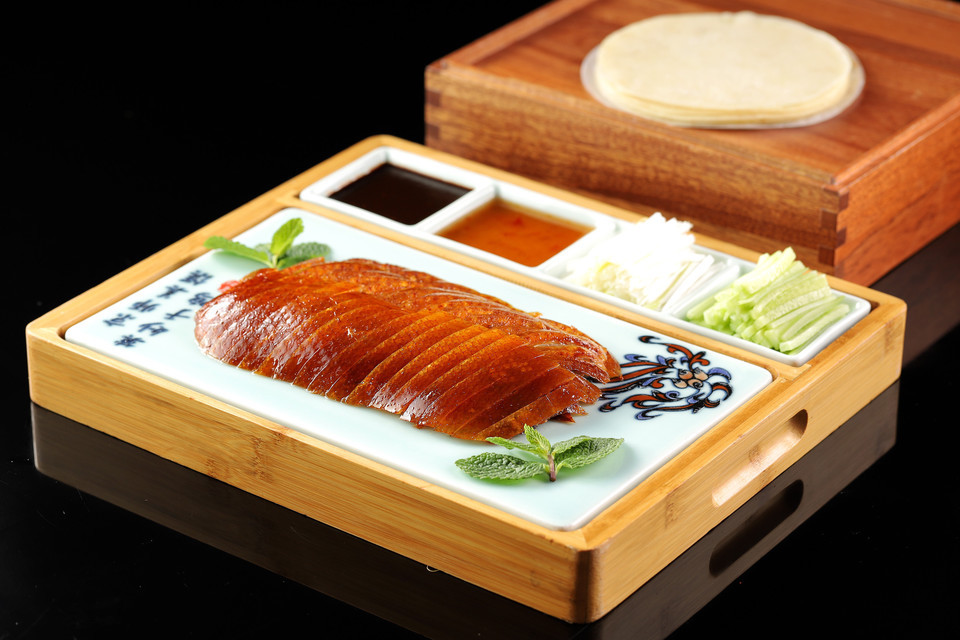
Dinner – Beijing Roast Duck
Tian’anmen Square
The Forbidden City
Lunch – Special Hot Pot
Solana Shopping Park
Liangma River International Waterfront Cruise
Badaling Great Wall
Tea Ceremony
The National Stadium (Bird’s Nest)
The National Aquatics Center (aka the Water Cube / Ice Cube)
National Museum of China
Hutong (Including Lunch)
Chinese Acrobatics
Sanlitun Shopping Mall (Recommended Activity)
Wangfujing Walking Street (Recommended Activity)
What's Included
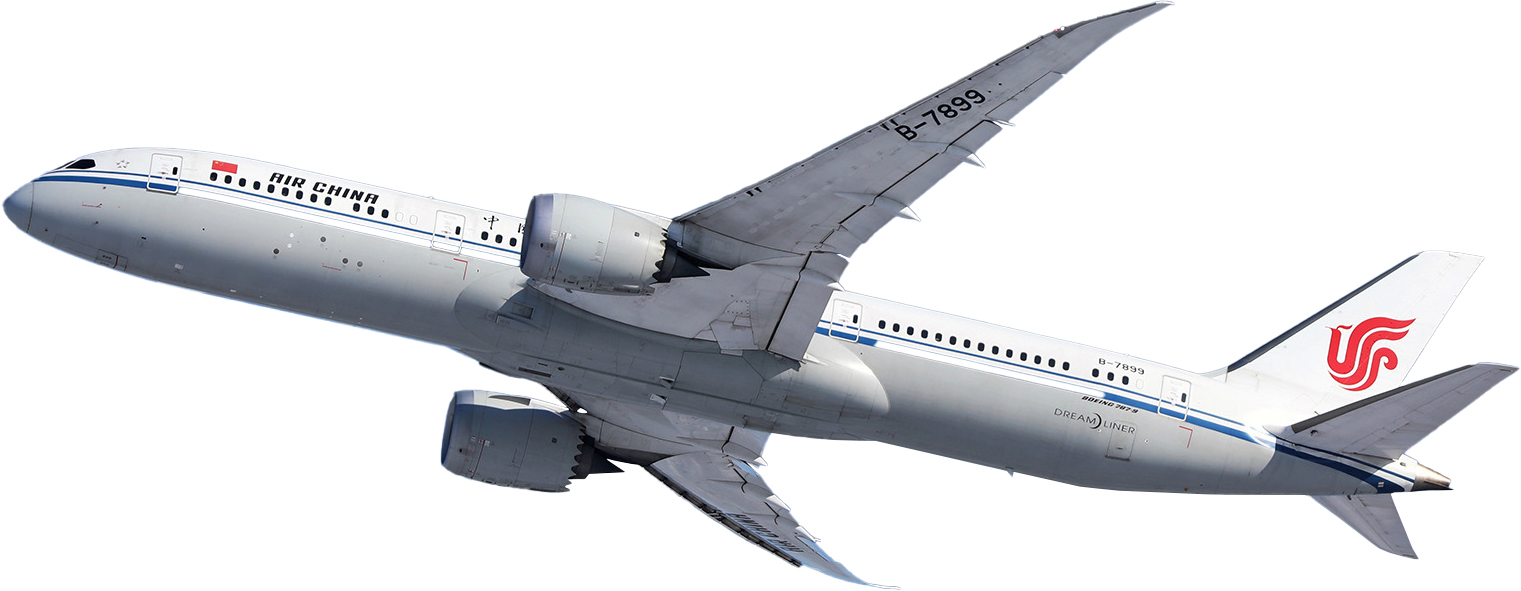
Air China Flight Tickets:** Round-trip international economy class including taxes, with 2 pieces of checked baggage up to 23KG each.

Transportation: Daily transportation arrangements as specified in the itinerary,
Tour Guide:**During the stay in Japan/China, an English speaking tour guide will be provided.
Accommodation: As specified in the itinerary.
Tickets: As specified in the itinerary.
Landmarks: As specified in the itinerary.
Fun Experiences: As specified in the itinerary.
Meals: As specified in the itinerary.

Excluded Items:
Tour guide tips of 10 NZD/person/day.
Fees for passport and visa processing.
Expenses for optional activities or personal expenses.
Additional expenses incurred due to individual actions.
Strongly recommended to purchase relevant travel insurance for this trip.
Costs not specified by the travel agency in the contract or itinerary.
Losses and expenses incurred due to force majeure factors such as COVID-19, transportation delays, strikes, aircraft malfunctions, cancellations, schedule changes, or natural disasters during the trip.
Trip Itinerary
DAY 1
8 September

Flight Auckland (NZ) > Beijing (China)

Air China

Air China – CA784 19:30 – 05:30 (+1 day)
Note: Please ensure that you arrive at Auckland Airport on time on September 8th and make necessary preparations before departure.
DAY 2
9 September

Flight Beijing (China) > Osaka (Japan)

Air China

Air China – CA927 08:45 – 12:40

Osaka

Osaka

Osaka, Japan’s third-largest city, is a vibrant metropolis renowned for its rich history, delicious cuisine, and dynamic cityscape. Located in the Kansai region, Osaka is often referred to as the “Kitchen of Japan” for its exceptional street food and culinary scene. The city is home to iconic landmarks such as Osaka Castle, a majestic symbol of Japan’s feudal past, and the bustling entertainment districts of Dotonbori and Shinsaibashi. From historic temples and traditional tea houses to modern shopping malls and neon-lit streets, Osaka offers a captivating blend of old and new, making it a must-visit destination for travelers seeking an authentic Japanese experience.

Dotonbori & Shinsaibashi

DotonboriShinsaibashi

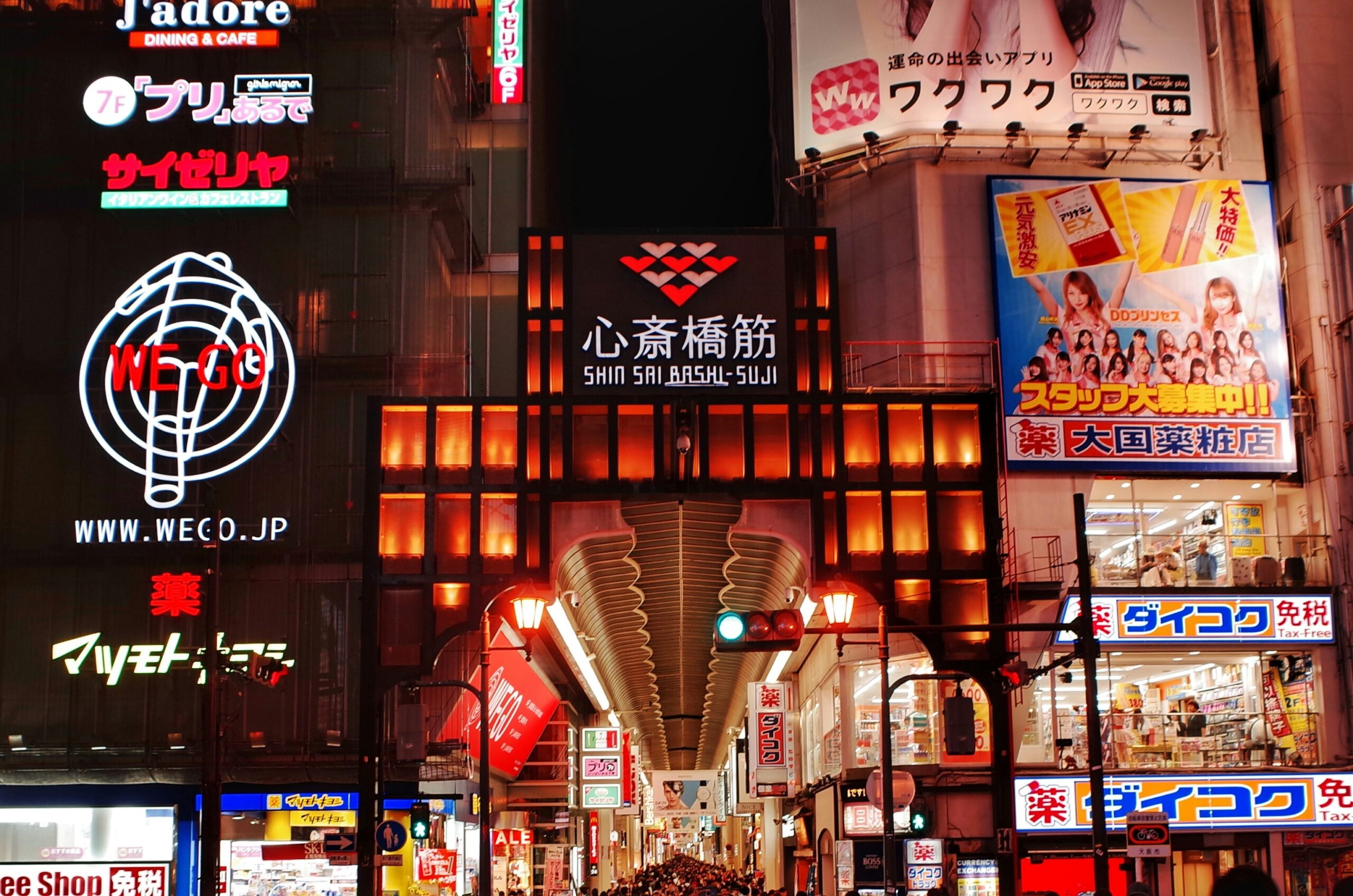
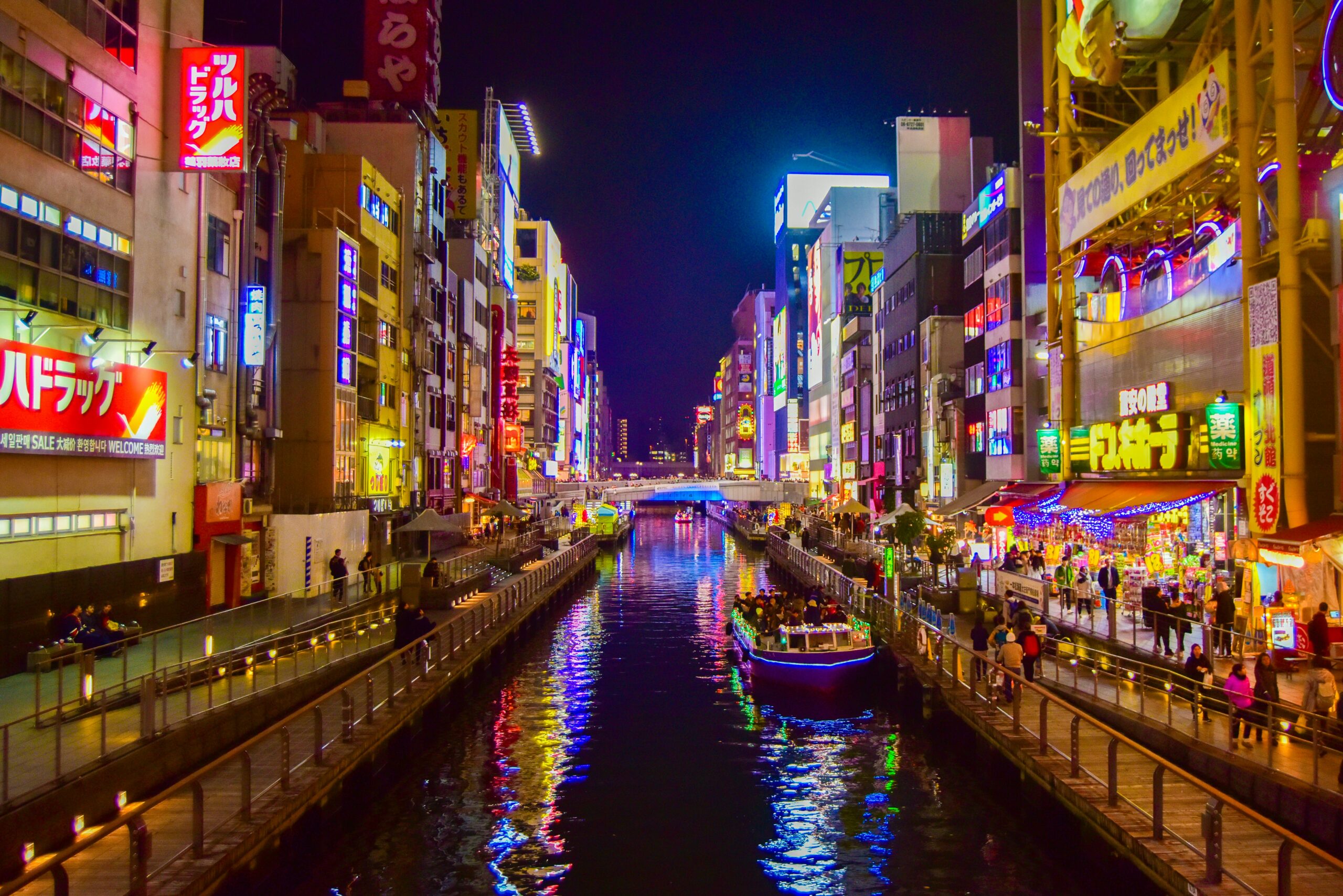
Dotonbori and Shinsaibashi are two vibrant districts nestled in the heart of Osaka, Japan, offering visitors an unforgettable blend of entertainment, shopping, and culinary delights. Dotonbori is famous for its dazzling neon signs, bustling streets, and an array of mouthwatering street food options, making it a sensory delight for all who visit. In contrast, Shinsaibashi boasts extensive covered shopping arcades, ranging from luxury boutiques to quaint local shops, providing a diverse shopping experience for every taste and budget. Together, these districts epitomize the lively atmosphere and rich culture of Osaka, making them must-visit destinations for tourists looking to immerse themselves in the city’s unique charm and energy. Whether you’re exploring the iconic canals of Dotonbori or browsing the bustling streets of Shinsaibashi, a visit to these districts promises an unforgettable experience filled with culture, sights, and delectable cuisine.

Dinner (Included)

Stay at KKR Hotel Osaka (or similar)
DAY 3
10 September

Breakfast (Included)

Osaka Castle

Osaka Castle

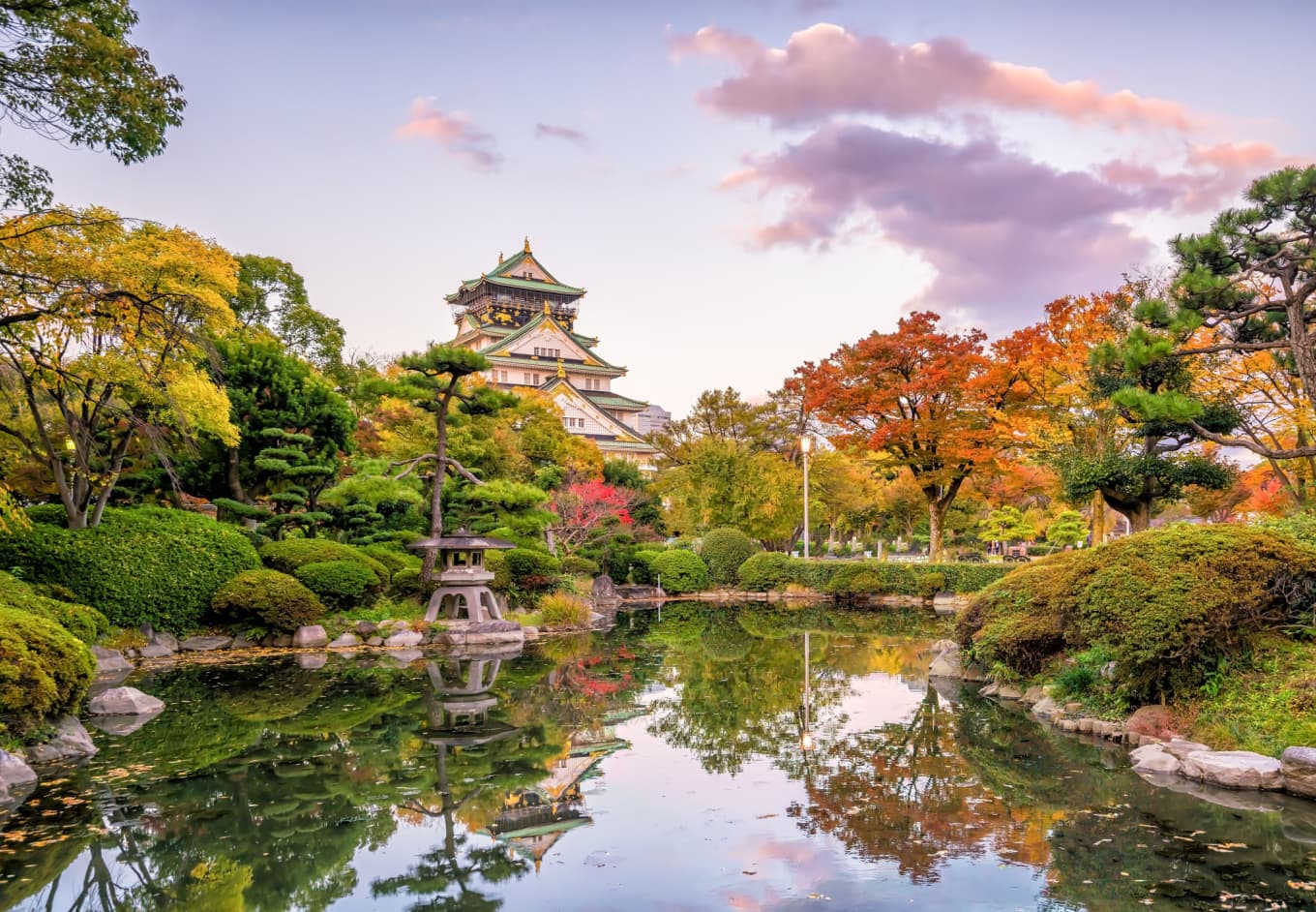
Osaka Castle stands as a majestic symbol of Japan’s rich history and cultural heritage. Located in the heart of Osaka, this historic landmark dates back to the 16th century and played a significant role in the unification of Japan during the Azuchi-Momoyama period. Surrounded by expansive moats and lush greenery, the castle’s striking appearance, with its towering walls and distinctive architecture, continues to awe visitors from around the world. Inside the castle, visitors can explore a museum showcasing the history of Osaka and the castle itself, as well as enjoy panoramic views of the city from the top floor. Osaka Castle is not only a testament to Japan’s feudal past but also a beloved symbol of resilience and strength, attracting millions of visitors each year to experience its grandeur and historical significance.

Tsutenkaku
TsutenkakuTsutenkaku

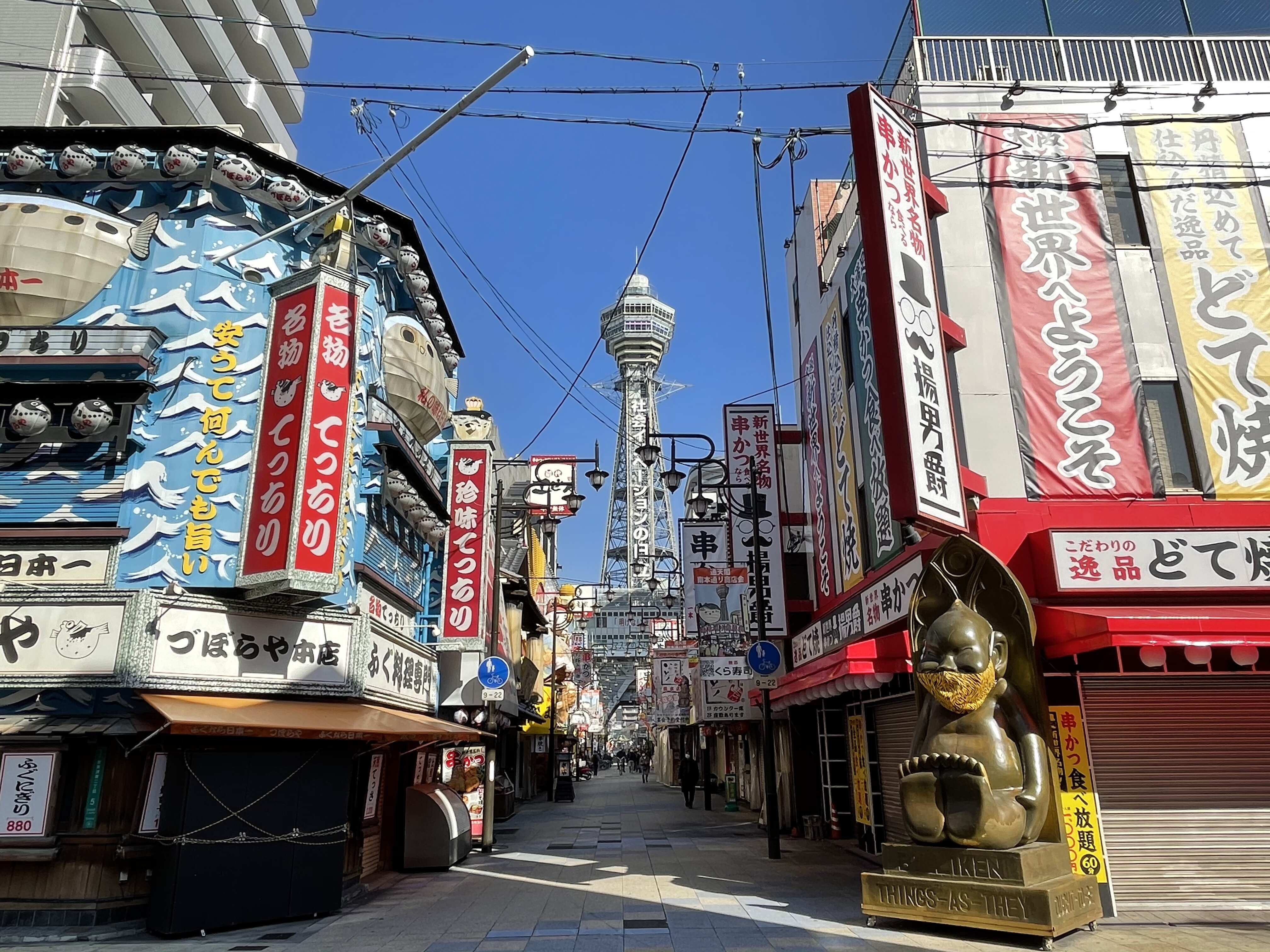
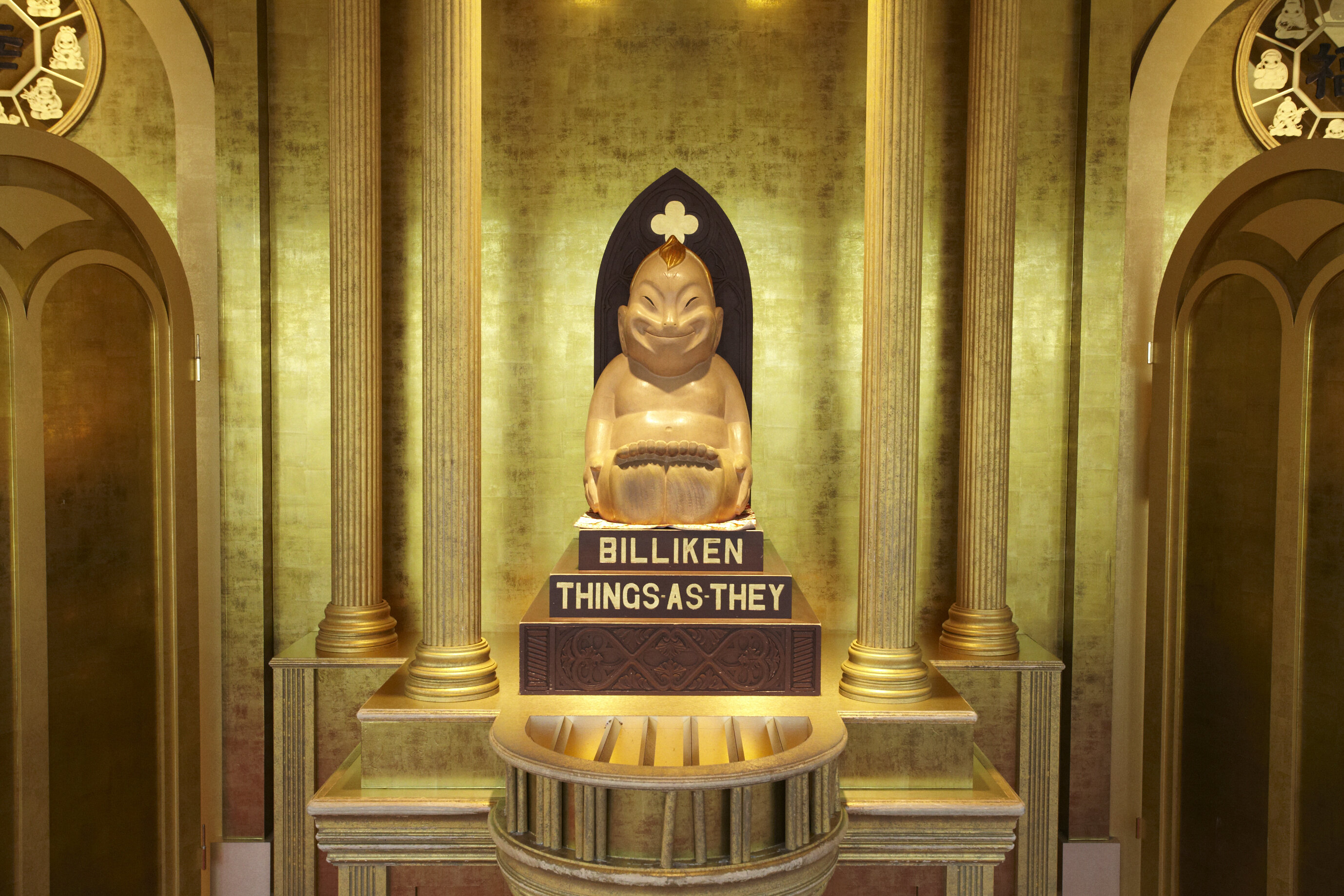
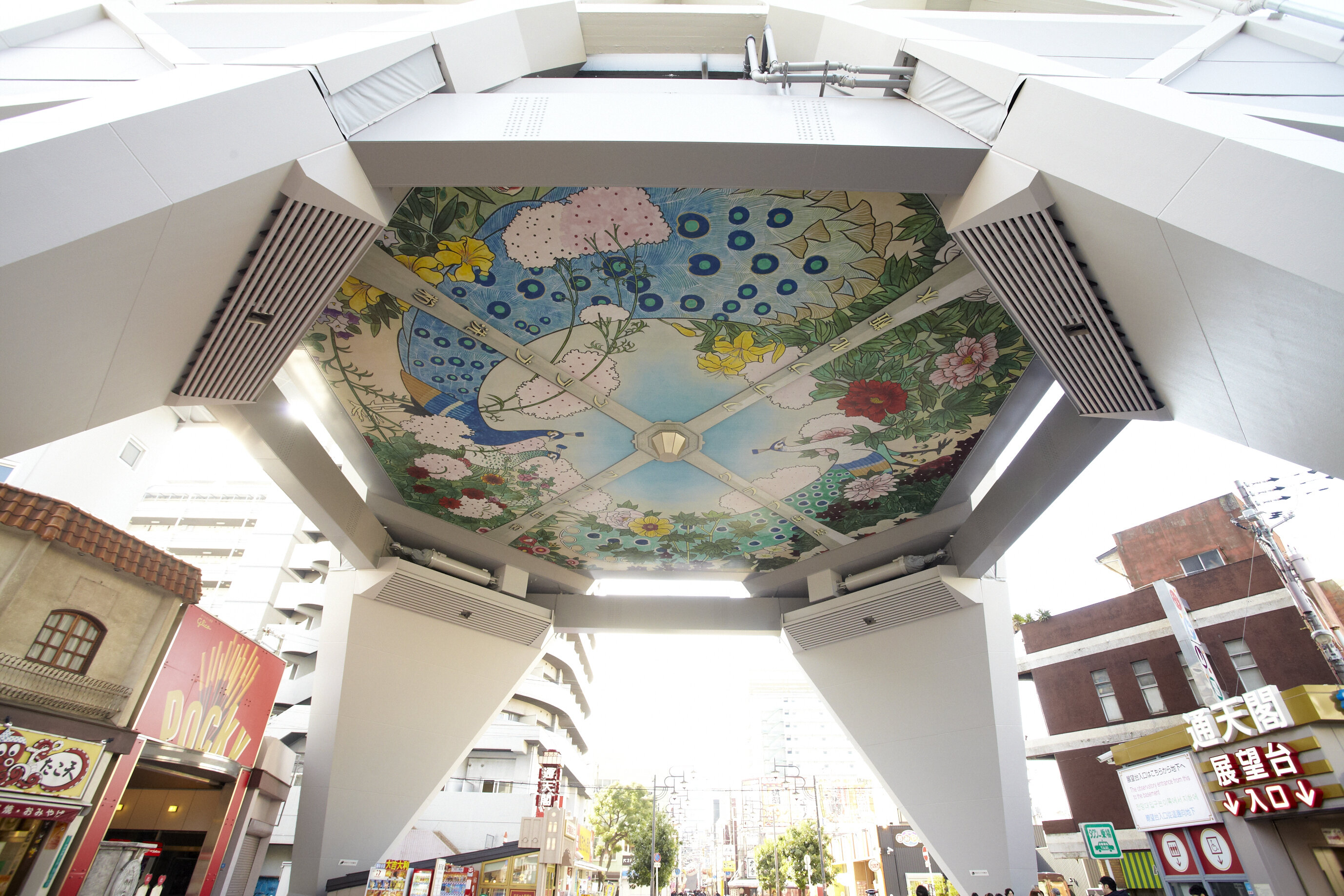
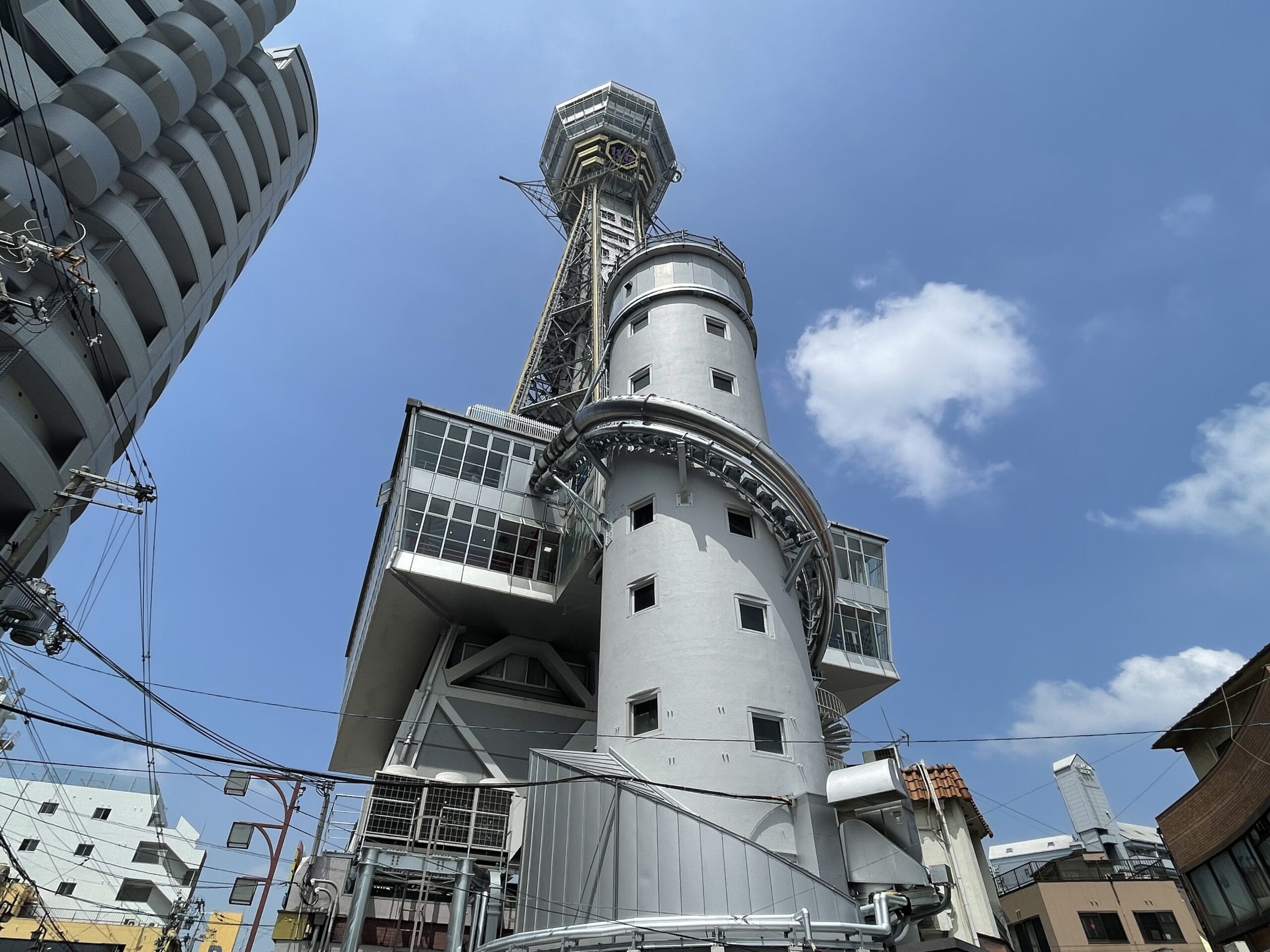
The “Tsutenkaku Tower” is a landmark tower of Osaka and registered as a national tangible cultural property. If you go to the golden observation platform where you can have an entire view of the hustle and bustle of Osaka, you will meet the “Billiken” statue that is said to bring good fortune to those who touched the soles of his feet.

The Osaka Museum of Housing and Living

The Osaka Museum of Housing and LivingThe Osaka Museum of Housing and Living

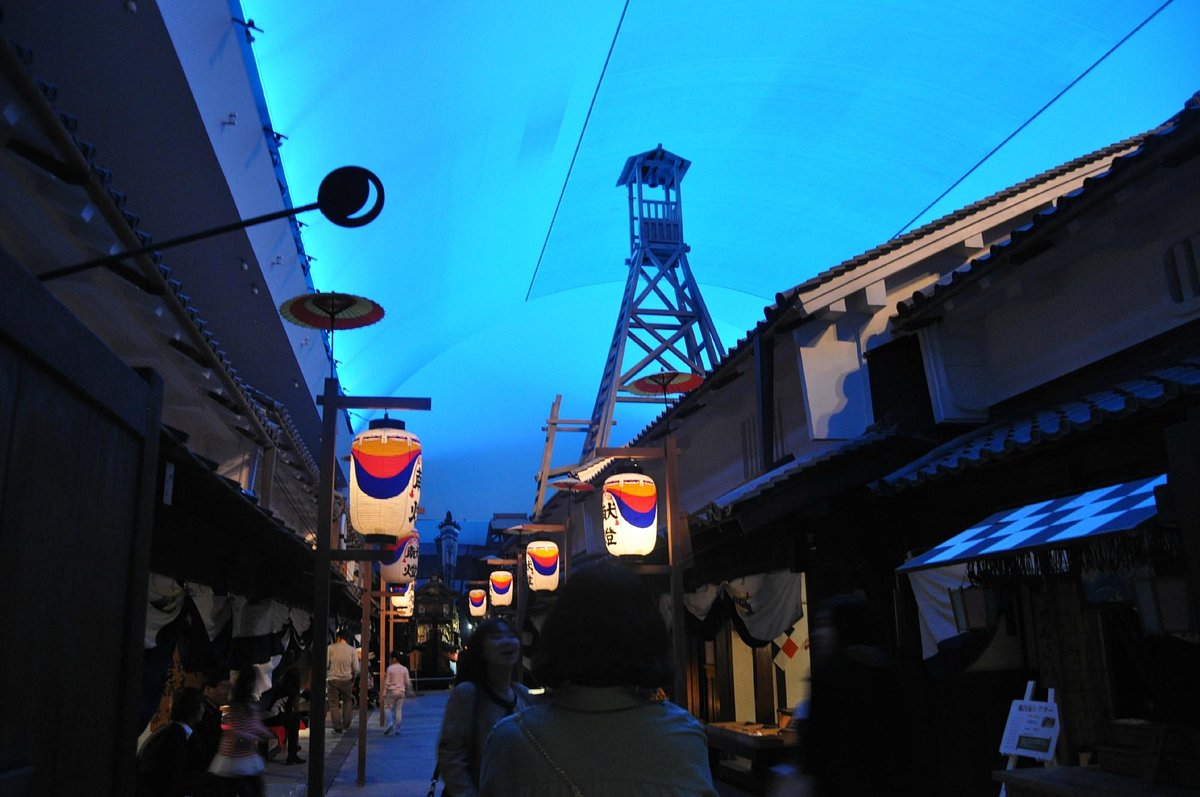
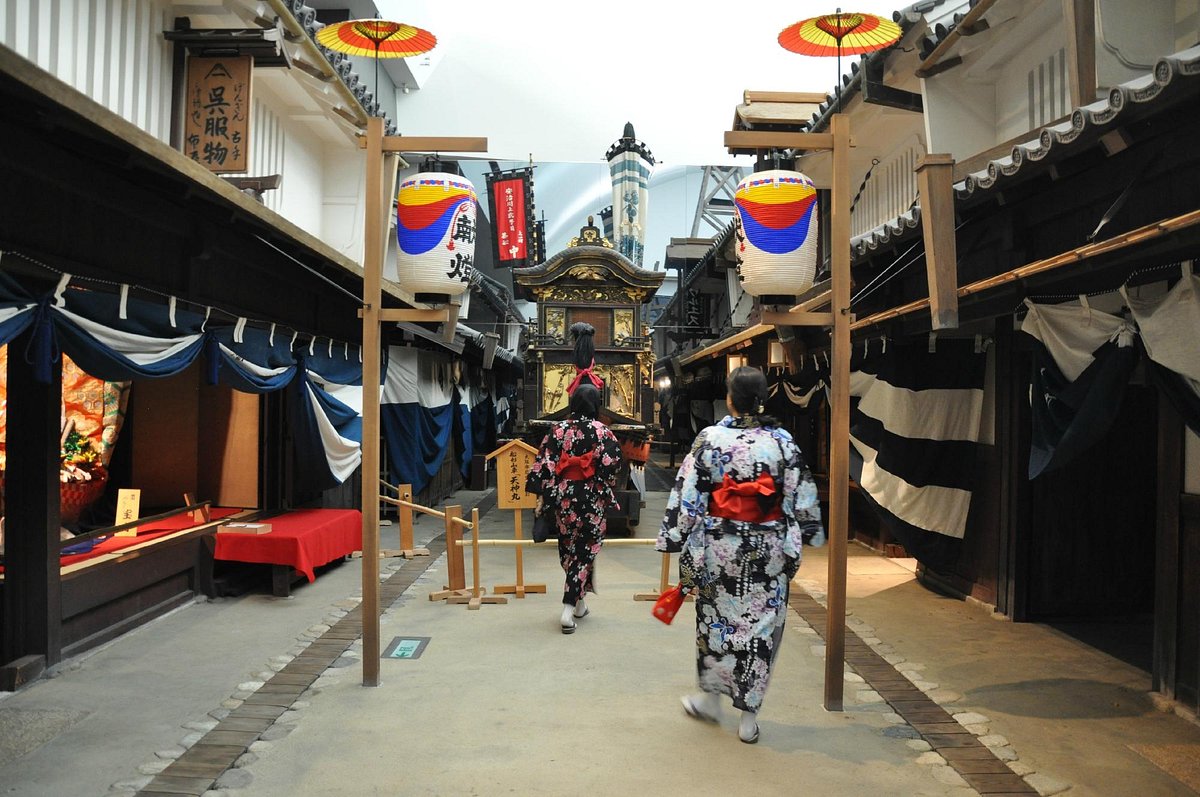
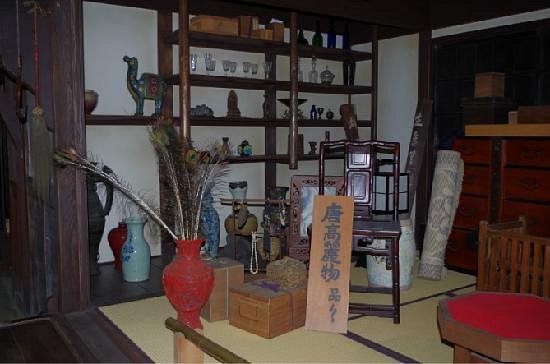
The Osaka Museum of Housing and Living is located within the Osaka Municipal Housing Information Center building that faces the Tenjinbashisuji Shopping Street on 6-chome Tenjinbashi, Kita ward. Visitors to this museum can experience the ever-changing housings and townscape of Osaka from the Edo period to the Meiji, Taisho, and Showa eras. The biggest attraction is the detailed and faithful recreation of “Osaka” from 1830 to 1844 which was the latter part of the Edo period.

The Osaka Museum of Housing and LivingThe Osaka Museum of Housing and Living

The attraction even has a system that changes the scenery of the town, depending on the time of day. The museum is packed with things to see, and even has changing interior decorations per season. Take a seat to enjoy traditional Kamigata performance arts in addition to various other events and workshops that are held here.

Dinner (Included)

Stay at KKR Hotel Osaka (or similar)
DAY 4
11 September

Breakfast (Included)

Nara Park

Nara Park

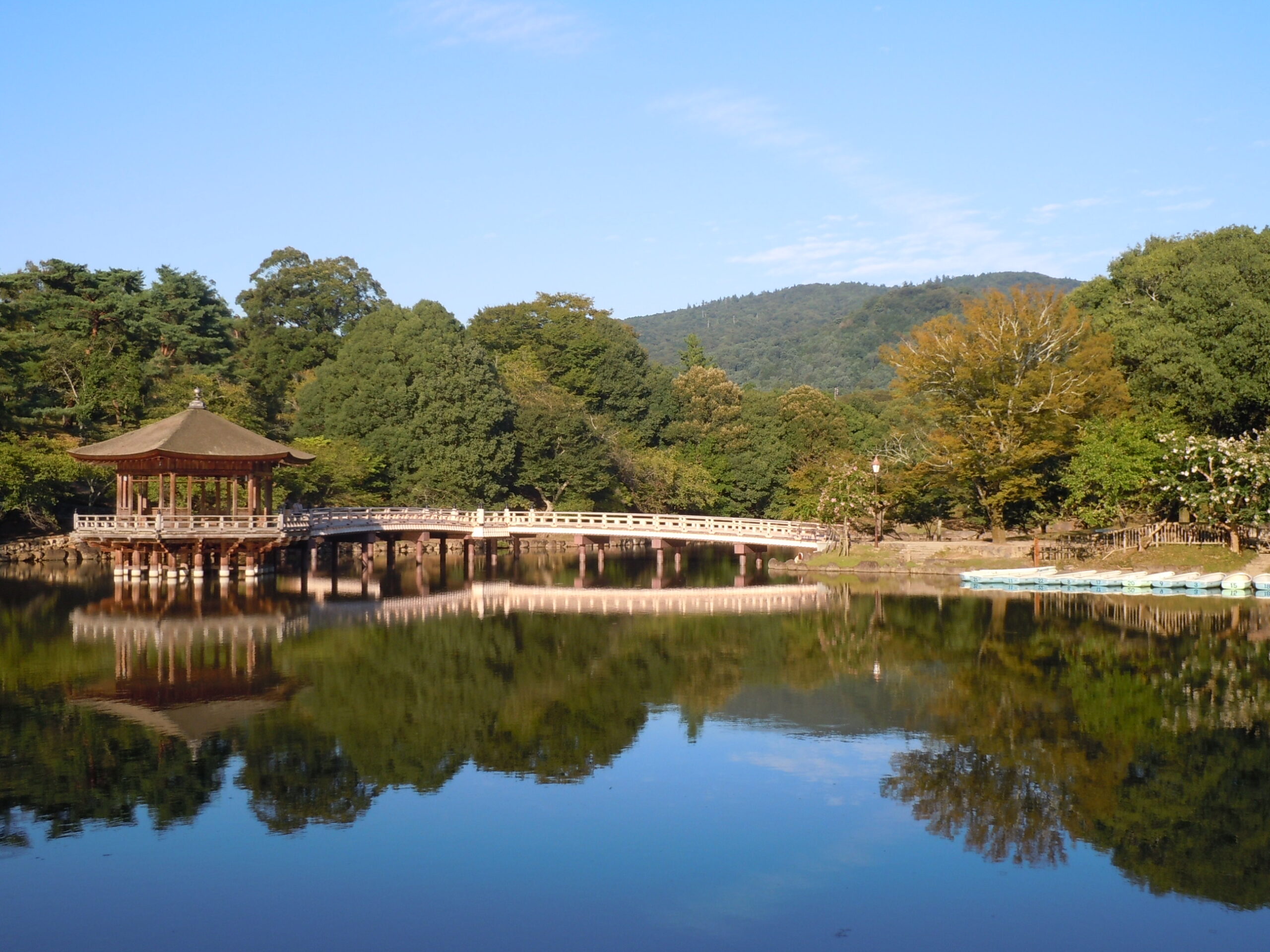
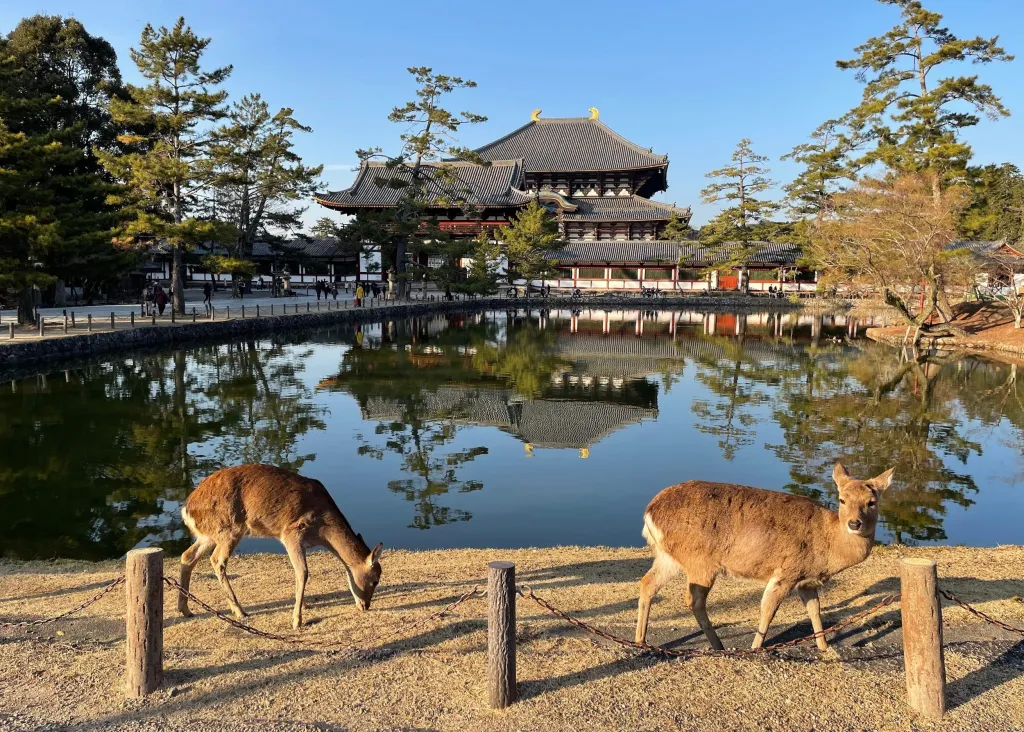
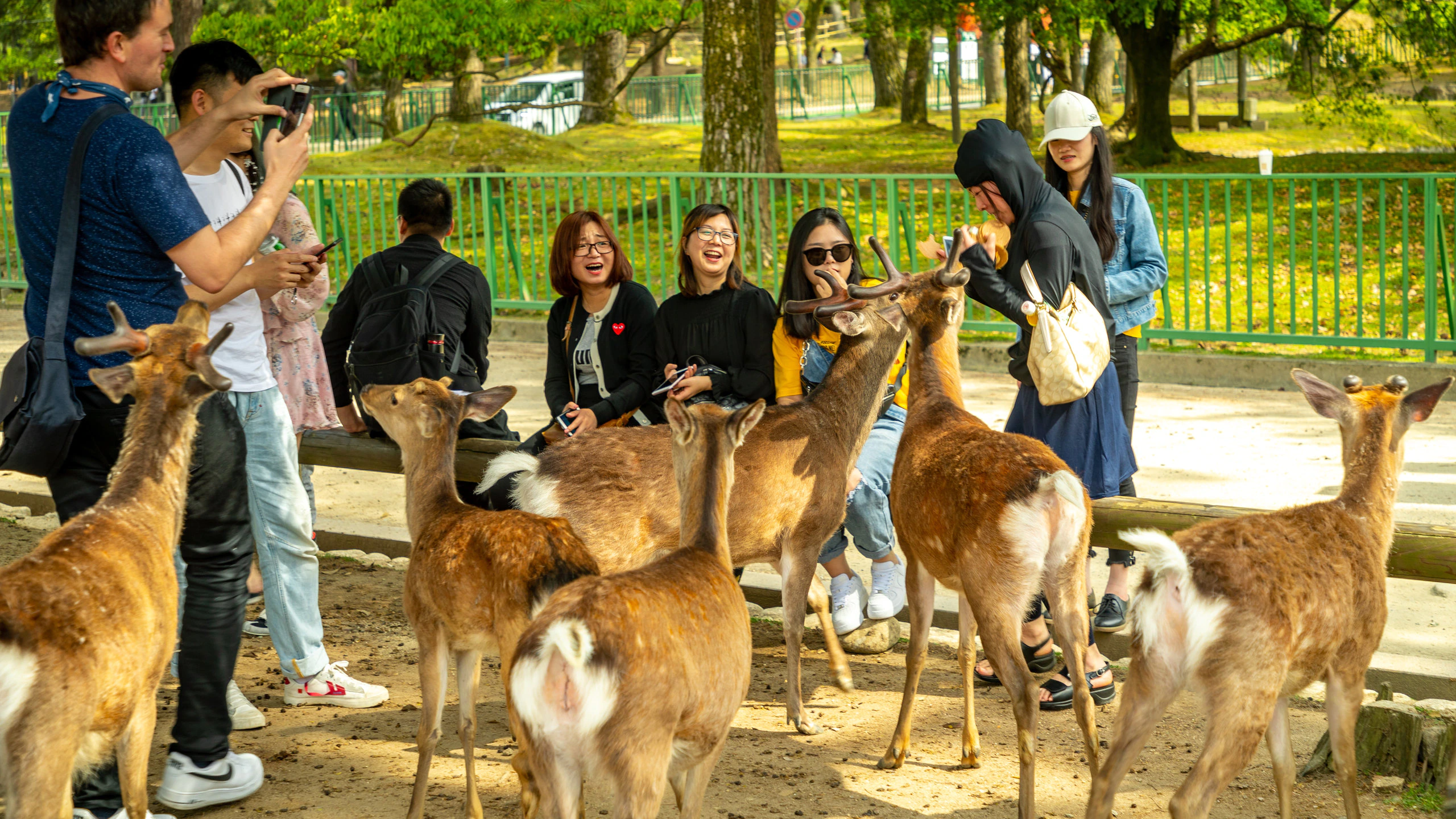
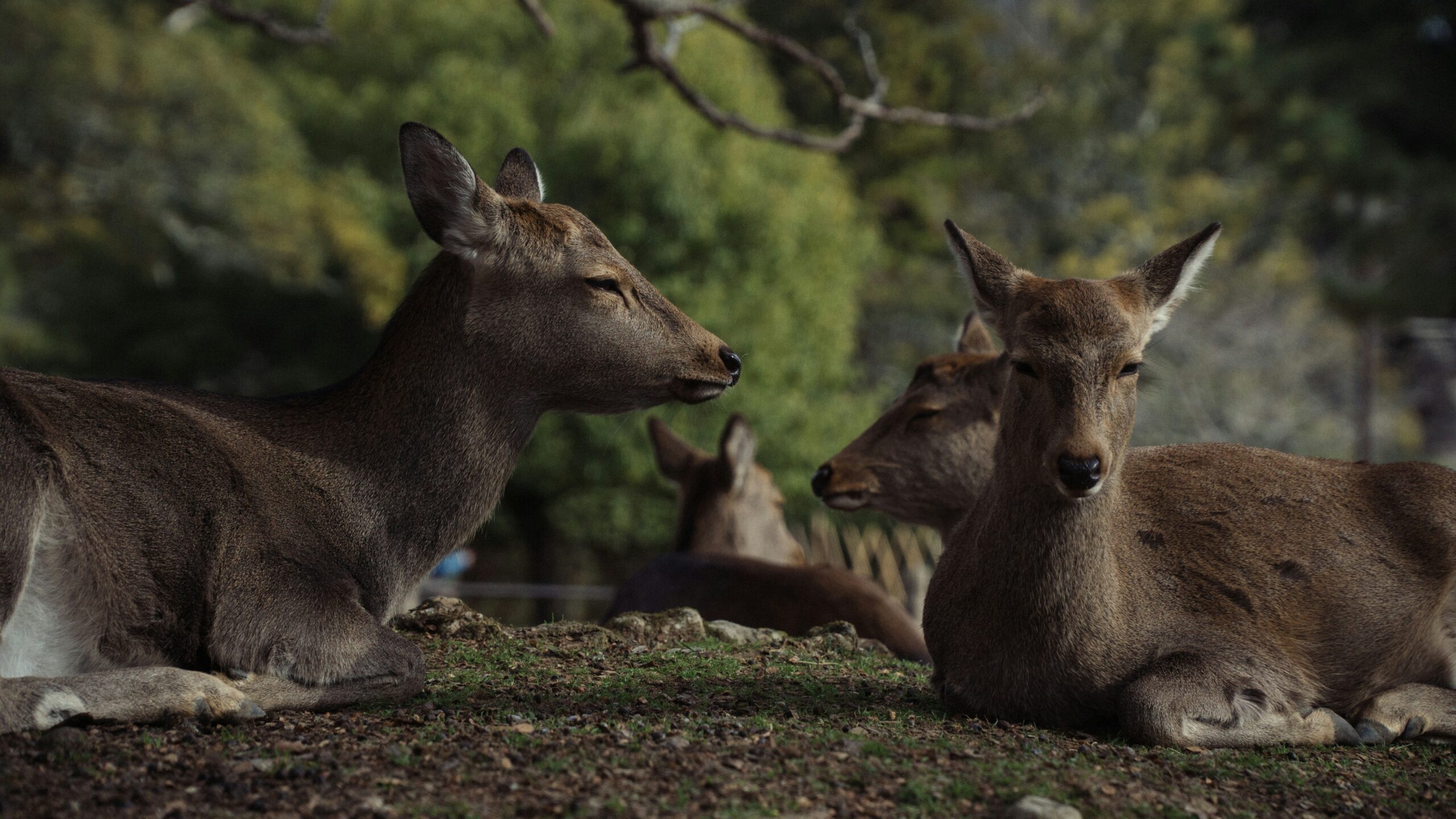
Nara Park, located in the heart of Nara City, is a picturesque expanse of greenery famous for its population of friendly, free-roaming deer. As one of Japan’s oldest parks, it encompasses several significant historical sites, including Todai-ji Temple, Kofuku-ji Temple, and Kasuga Taisha Shrine.

Nara ParkNara Park

Visitors to Nara Park can enjoy leisurely strolls through lush forests, feed the tame deer that roam freely throughout the park, and marvel at the impressive cultural treasures that dot its landscape. Nara Park offers a serene escape from the bustling city and provides a unique opportunity to connect with nature and Japan’s rich cultural heritage.

Todai Ji

Todai Ji

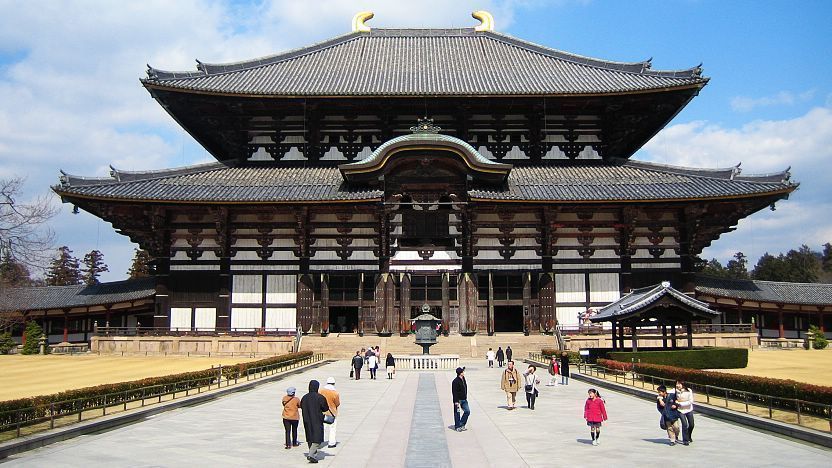
Todai-ji, located in Nara, Japan, is one of the country’s most historically and culturally significant temples. Constructed in the 8th century, it is home to the Daibutsu (Great Buddha), a colossal bronze statue that stands as one of the largest of its kind in Japan. The temple complex, with its massive wooden structure, exudes a sense of grandeur and spirituality. Visitors to Todai-ji can marvel at the immense size and intricate details of the Great Buddha, explore the surrounding temple grounds, and witness religious ceremonies that have been performed here for centuries. Todai-ji is not only a remarkable architectural achievement but also a sacred site that holds deep cultural and religious significance for the people of Japan.

Umemori Sushi School Nara Campus Lunch (Included)

Umemori Sushi School Nara Campus

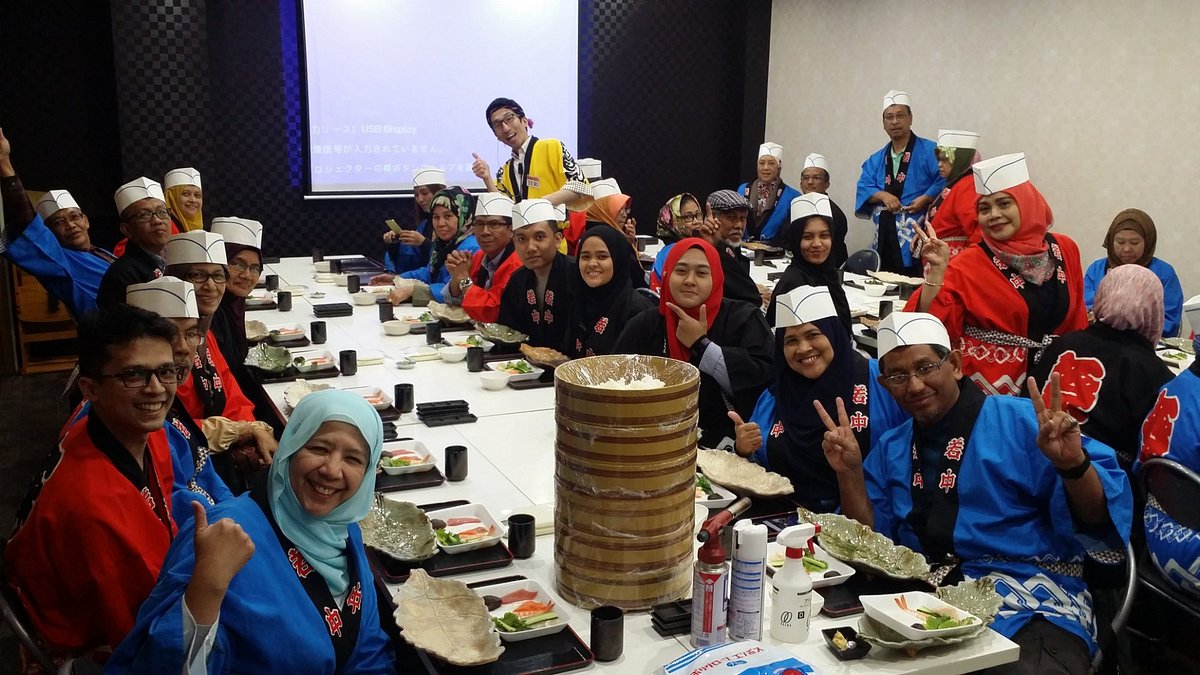
The Umemori Sushi School Nara Campus offers an immersive experience into the art of sushi-making in the historic city of Nara, Japan. Located near Nara Park, this school provides hands-on sushi-making classes taught by experienced sushi chefs. Students have the opportunity to learn traditional techniques for preparing sushi rice, slicing fish, and crafting a variety of sushi rolls and nigiri. The school’s intimate setting and personalized instruction ensure that participants receive individual attention and guidance as they hone their sushi-making skills.

45KM Drive to Kyoto

Stay at Miyako Hotel Kyoto Hachijo (or similar)
DAY 5
12 September

Breakfast (Included)

Shokoku-ji

Shokoku-ji

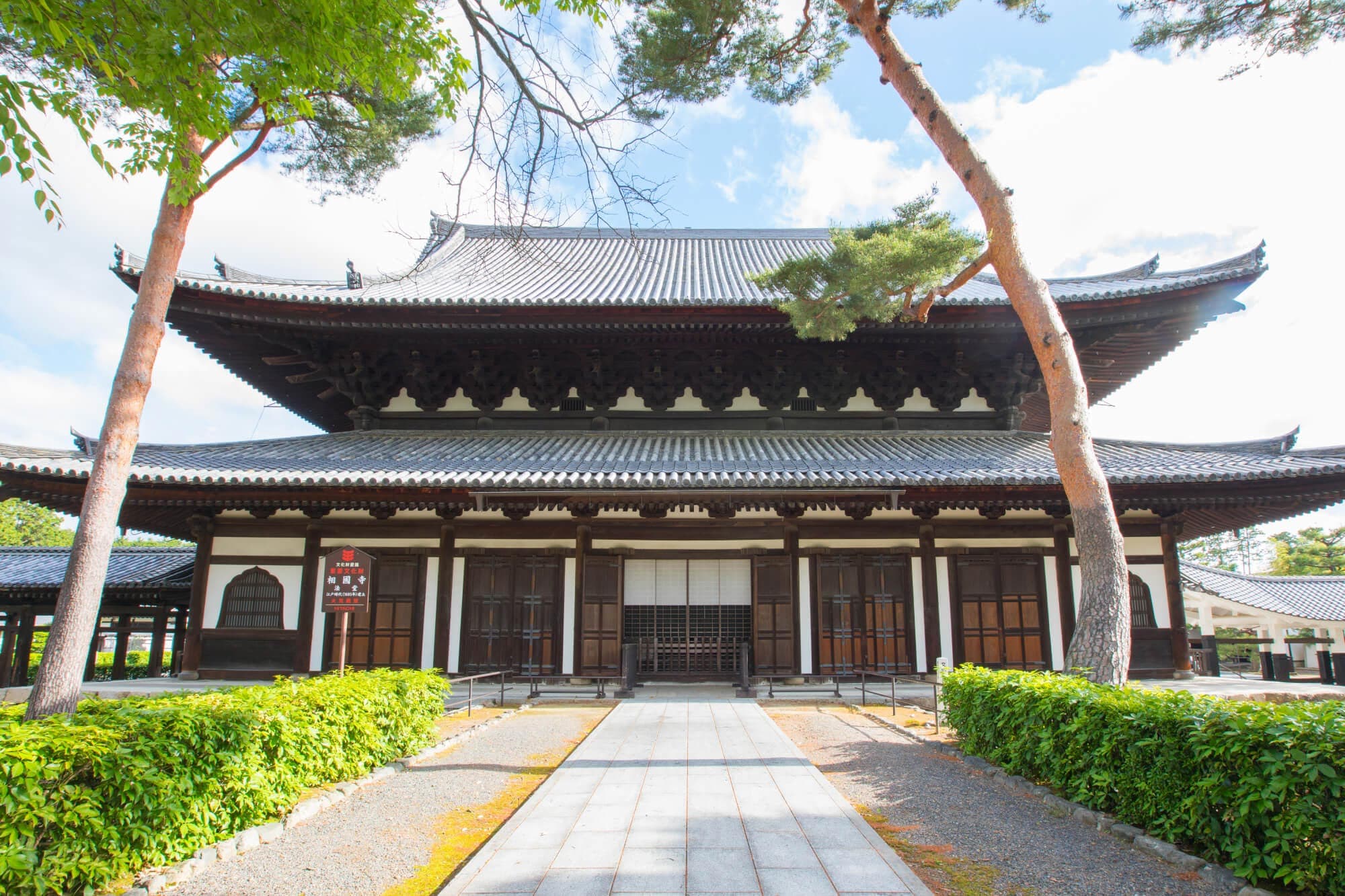
The temple of Shokoku-ji, officially Mannenzan Shokoku Joten Zenji, is the second of the Kyoto Gozan, the five leading Rinzai Zen temples in Kyoto during the medieval period. Tucked away into a quiet area in northern Kyoto, the silent remains of its original Entrance Gate (Sanmon) and Buddha Hall (Butsuden), now shaded with the intermingling branches of pine and cypress trees, remind the visitor of its former glory.
Shokoku-ji was built under the auspices of Shogun Ashikaga Yoshimitsu (1358-1408), with the Buddha Hall (Butsuden) completed in 1394 (Shitoku 1). Thereafter, however, the complex was ravaged by fire and rebuilt numerous times. The final great fire, in 1788 (Tenmei 8), burned down almost all the main temple buildings, leaving only the Dharma Hall (Hattô) and the Imperial Gate (Chokushimon) intact. A painting entitled Famous Places in the Capital (J., Miyako meisho zu-e), dating to 1780 (An’ei 9), depicts quite accurately the appearance of the temple precincts before the Tenmei-erafire.
The Chinese characters used in the temple’s name are often mistakenly read “Shokoku-ji”. but the proper pronunciation is “Shokoku-ji”. This reading is confirmed by a notation on the aforementioned Famous Places in the Capital painting, which names the temple “Shokoku-ji”. The characters for “shokoku” mean “a person who helps the country”, deriving from a Chinese word meaning “prime minister”, while “ji” means “temple”. This name is thought to reflect the fact that the temple was built by the shogun Ashikaga Yoshimitsu.

Arashiyama

Arashiyama

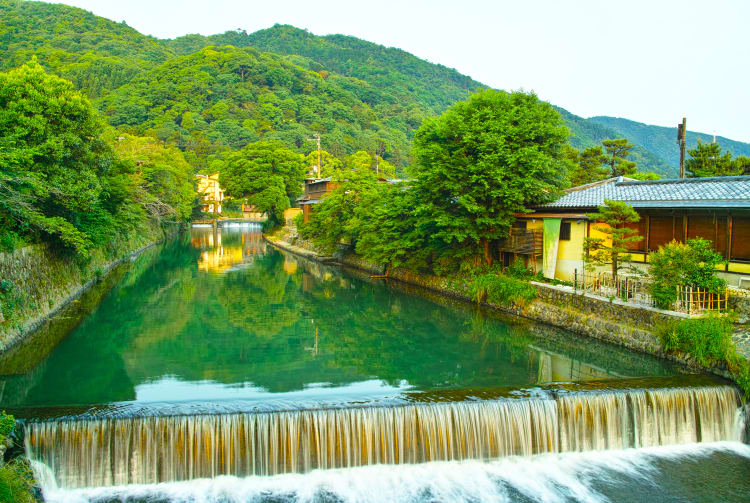
Located in the northwestern area of Kyoto, Arashiyama draws many visitors for its world-renowned bamboo grove and beautiful scenery that changes with each season. The area is dotted with temples, old imperial villas, and famous historical sites, many of which are National Treasures, or have been recognized as World Heritage sites. The entire region is designated by the Japanese government as a Place of Scenic Beauty.

Arashiyama Bamboo Grove

Arashiyama Bamboo Grove

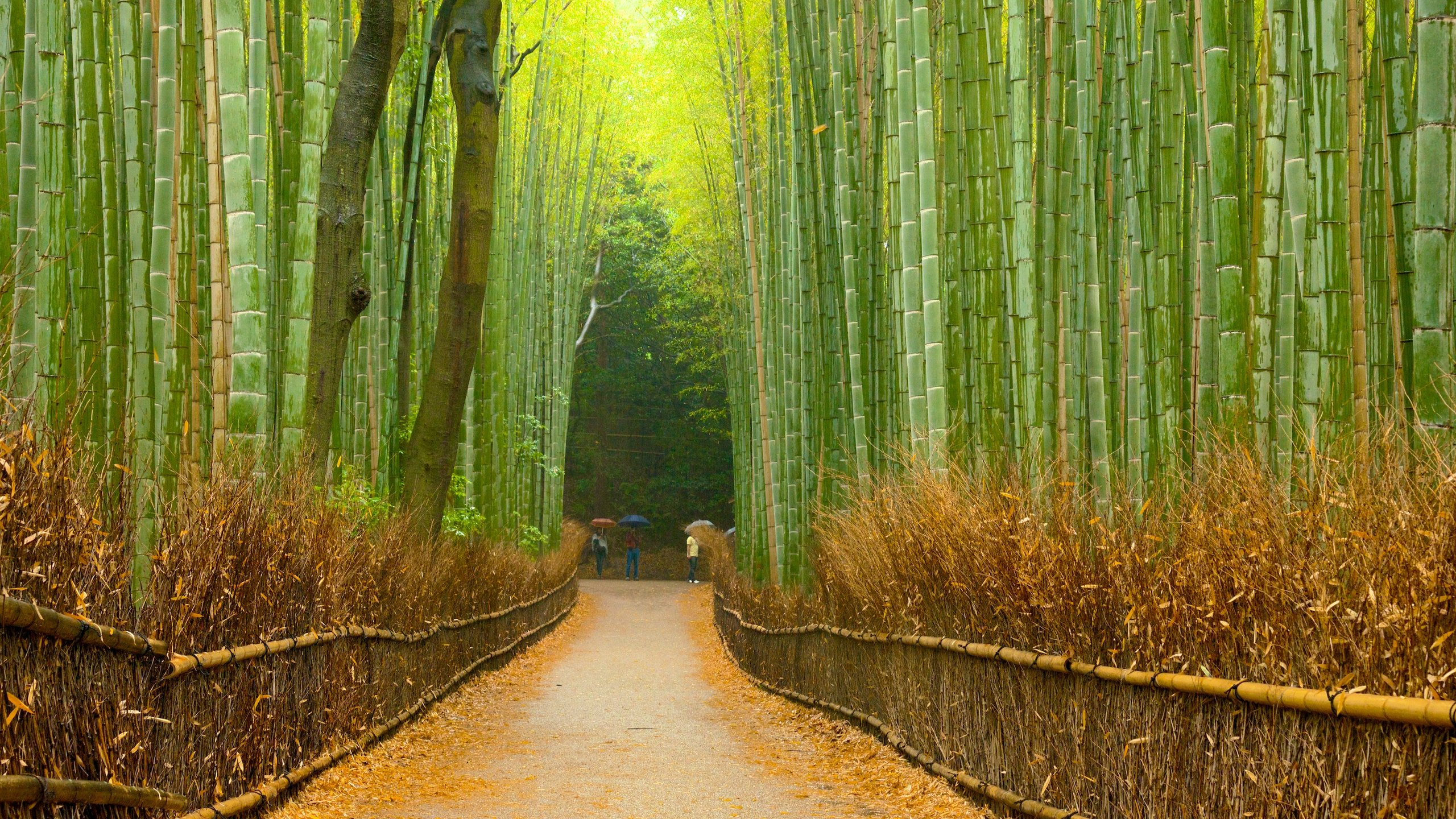
The thick green bamboo stalks seem to continue endlessly in every direction and there’s a strange quality to the light at this famous bamboo grove, which has become one of Kyoto’s must-visit sights. It’s most atmospheric on the approach to Ōkōchi Sansō villa and you’ll be unable to resist trying to take a few photos, but you might be disappointed with the results: photos just can’t capture the magic of the place. The grove runs from outside the north gate of Tenryū-ji to just below Ōkōchi Sansō, on the western edge of Kyoto.

Lunch (Included)

Togetsukyo

Togetsukyo

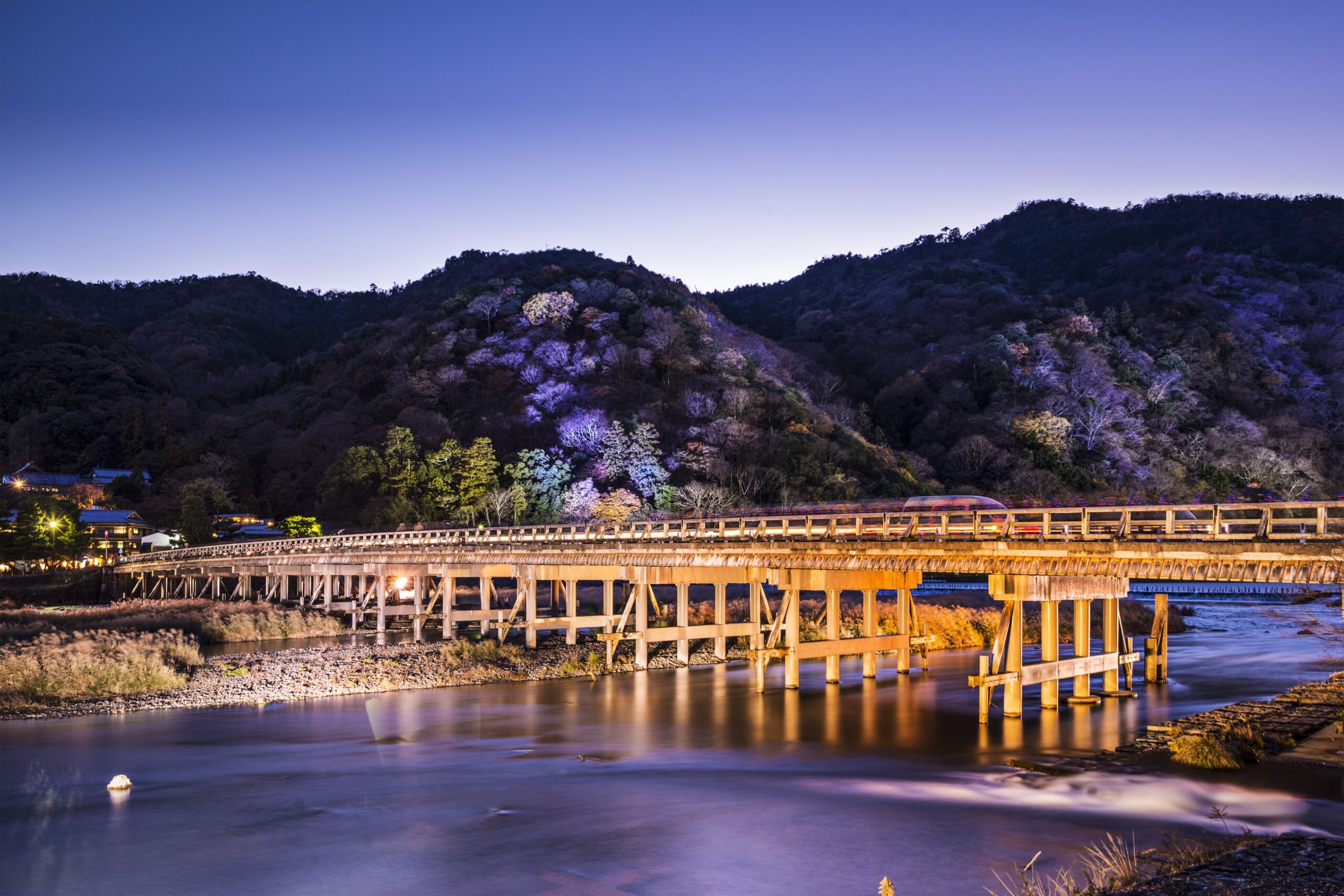
Togetsukyo is a 155-meter bridge built across the Katsura River, which flows leisurely through Saga Arashiyama , a well-known place of scenic beauty in the western hills of Kyoto. The artistic form of the bridge embodies the aesthetic sense that is at the heart of the Japan artistic tradition.

Dinner (Included)

Stay at Miyako Hotel Kyoto Hachijo (or similar)
DAY 6
13 September

Breakfast (Included)

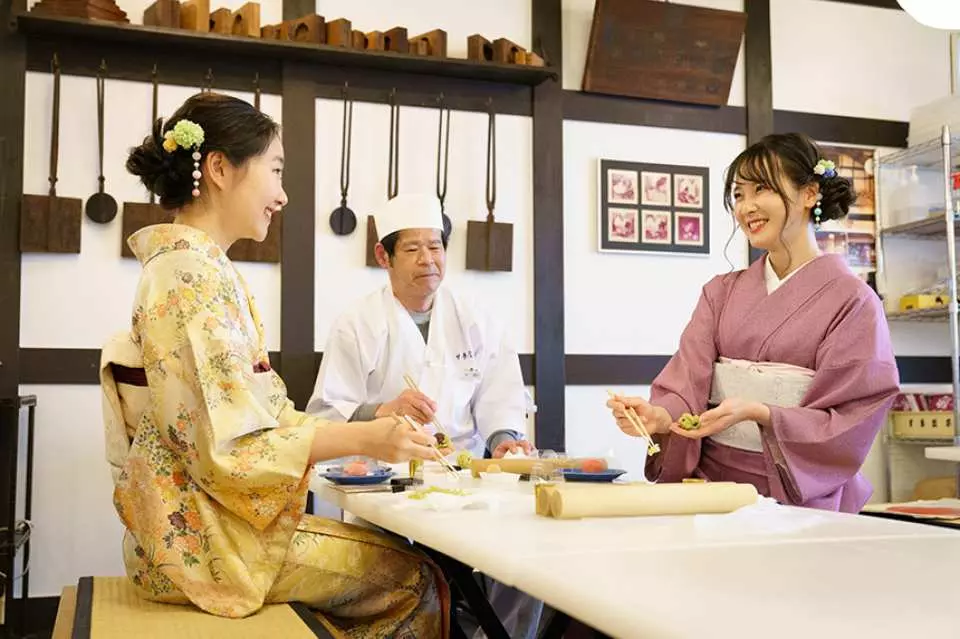
Kanshundo Japanese Confectionery Making Class

Kanshundo Japanese Confectionery Making Class

The Kanshundo Japanese Confectionery Making Class offers a delightful opportunity to learn the art of traditional Japanese sweets in the historic city of Nara. Located near Nara Park, this hands-on class provides participants with the chance to create beautiful and delicious wagashi, or Japanese confectionery, under the guidance of skilled instructors. From shaping colorful mochi to crafting intricate designs, students will learn the techniques and cultural significance behind these exquisite treats. The intimate setting of the class allows for personalized instruction, ensuring that each participant can fully immerse themselves in the art of wagashi making.

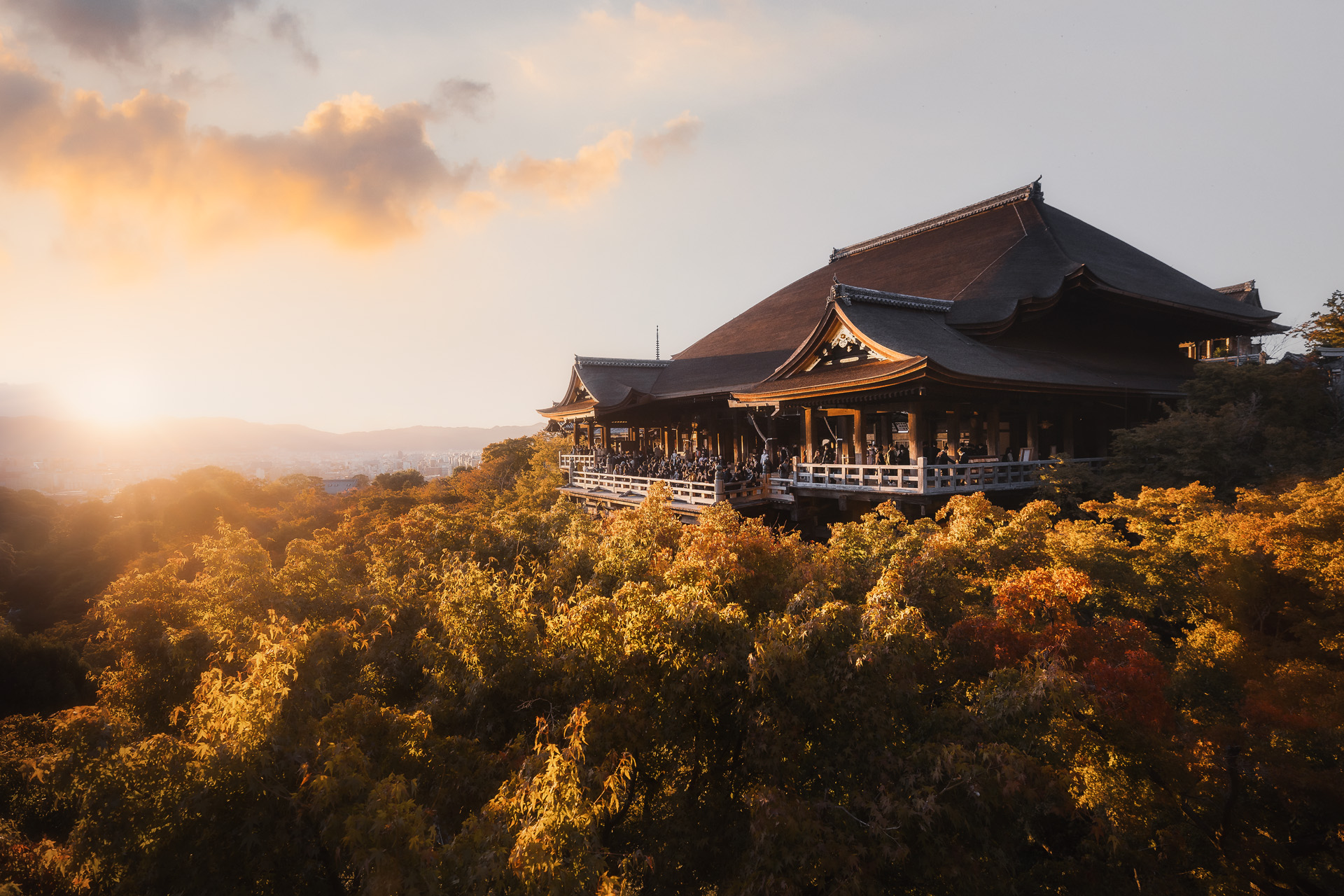
Kiyomizu-dera Temple

Kiyomizu-dera Temple

Kiyomizudera (清水寺, literally “Pure Water Temple”) is one of the most celebrated temples of Japan. It was founded in 780 on the site of the Otowa Waterfall in the wooded hills east of Kyoto, and derives its name from the fall’s pure waters. The temple was originally associated with the Hosso sect, one of the oldest schools within Japanese Buddhism, but formed its own Kita Hosso sect in 1965. In 1994, the temple was added to the list of UNESCO world heritage sites.

Kiyomizudera is best known for its wooden stage that juts out from its main hall, 13 meters above the hillside. The stage affords nice views of the numerous cherry and maple trees below that erupt in a sea of color in spring and fall, as well as of the city of Kyoto in the distance. The main hall, which together with the stage was built without the use of nails, houses the temple’s primary object of worship, a small statue of the eleven faced, thousand armed Kannon.

Shinkansen Train

Shinkansen Train

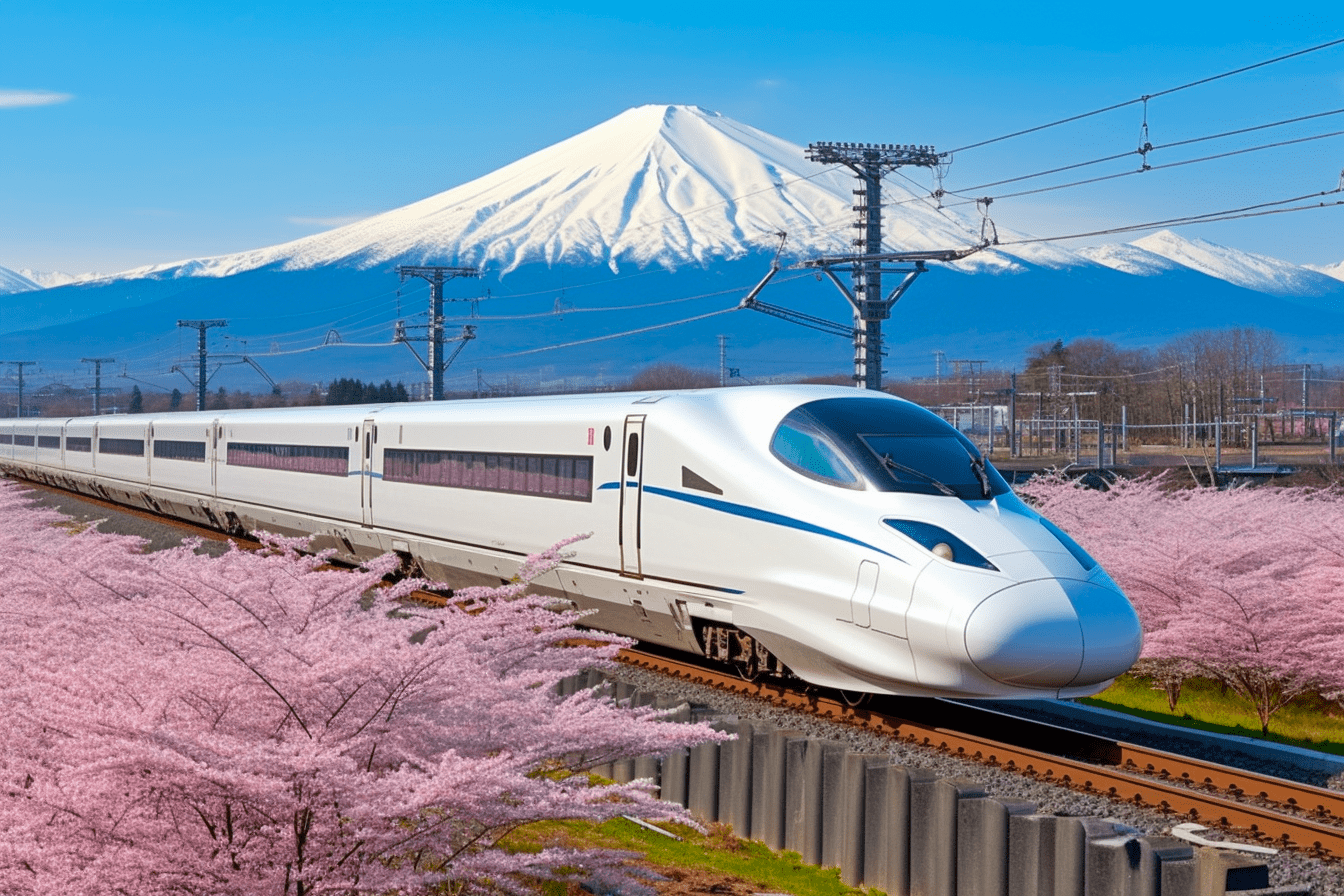
Embarking on a journey from Nara Park towards the iconic Mount Fuji is an adventure filled with cultural discovery and breathtaking scenery. After exploring the historic landmarks and charming deer-filled streets of Nara, travelers can hop aboard the Shinkansen bullet train, Japan’s pride in railway technology. The Japan Rail (JR) network is renowned for its efficiency and comfort, offering travelers a seamless and exhilarating ride. As the sleek Shinkansen speeds towards its destination at a top speed of 320 km/h (199 mph), passengers can sit back, relax, and admire the changing landscape from the urban sprawl of Nara to the picturesque countryside vistas en route to Mount Fuji. The journey on the Shinkansen not only provides a convenient and time-saving mode of travel but also offers a thrilling experience that adds to the excitement of exploring Japan’s diverse and beautiful landscapes.

Dinner – Japanese-style Hot Spring Dinner (Included)

Stay at Hotel Green Plaza Hakone (or similar)

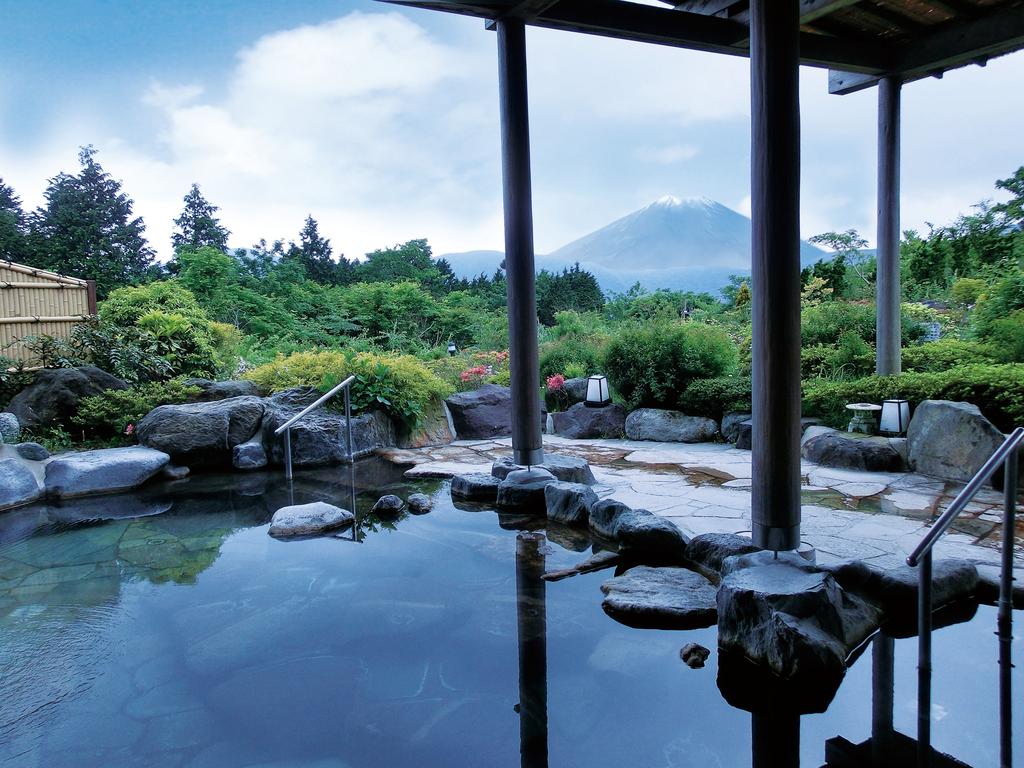
Hakone’s Sengokuhara Hot Spring

Hakone's Sengokuhara Hot Spring

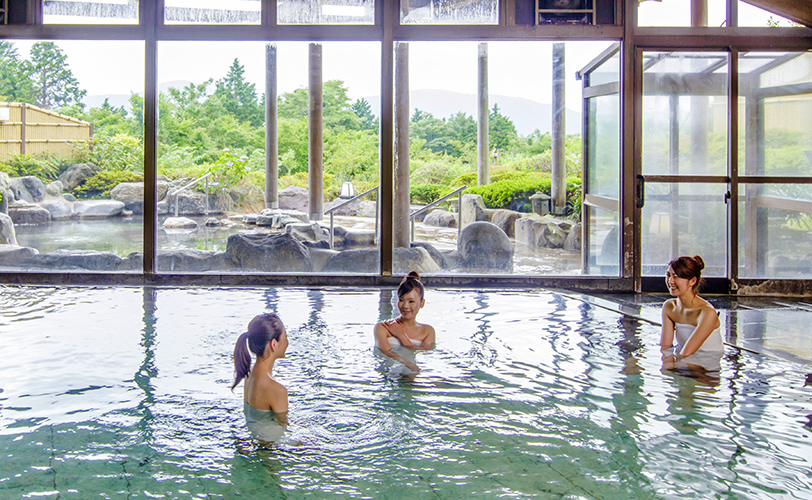
Immerse yourself in the breathtaking beauty of Hakone’s Sengokuhara hot spring, one of the renowned Hakone 17 hot springs. Nestled in the scenic Fuji Hakone Izu National Park, this hot spring offers a perfect vantage point to behold the majestic Mt. Fuji, a UNESCO World Heritage Site. From our open-air baths, both men and women can enjoy unparalleled views of Mt. Fuji while indulging in a rejuvenating soak. Our privately-owned source spring, located at an altitude of 860 meters, boasts a high-quality sodium hydrogen carbonate spring with a gentle alkaline pH, leaving your skin feeling soft and refreshed.

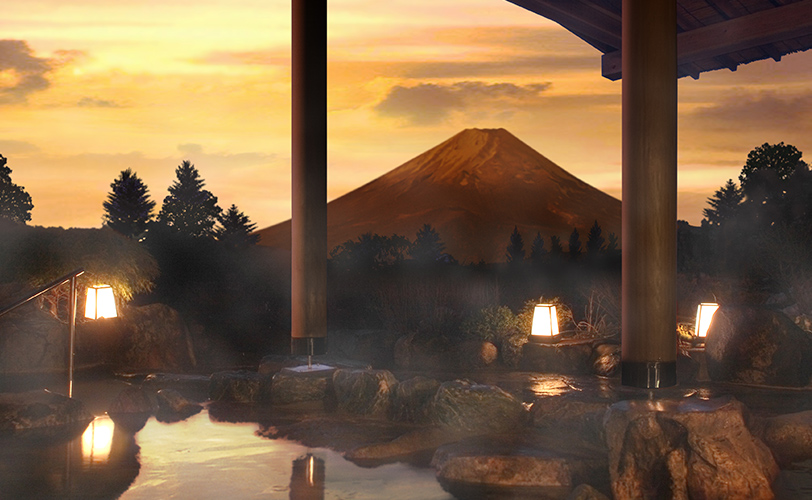
Hakone's Sengokuhara Hot Spring

Our open-air baths, considered among the best in Hakone, are also popular as day-trip destinations. Whether you visit during the serene snowfall of winter or the vibrant colors of autumn, Mt. Fuji’s ever-changing beauty provides an unforgettable backdrop to your relaxation. For those who wish to extend their hot spring experience, we offer various room options, including rooms with open-air baths or cypress baths sourced from our private spring, available in limited numbers daily. Come and experience the tranquility and luxury of Sengokuhara hot spring, where every season offers a unique and unforgettable experience.
DAY 7
14 September

Breakfast (Included)

Oishi Park

Oishi Park

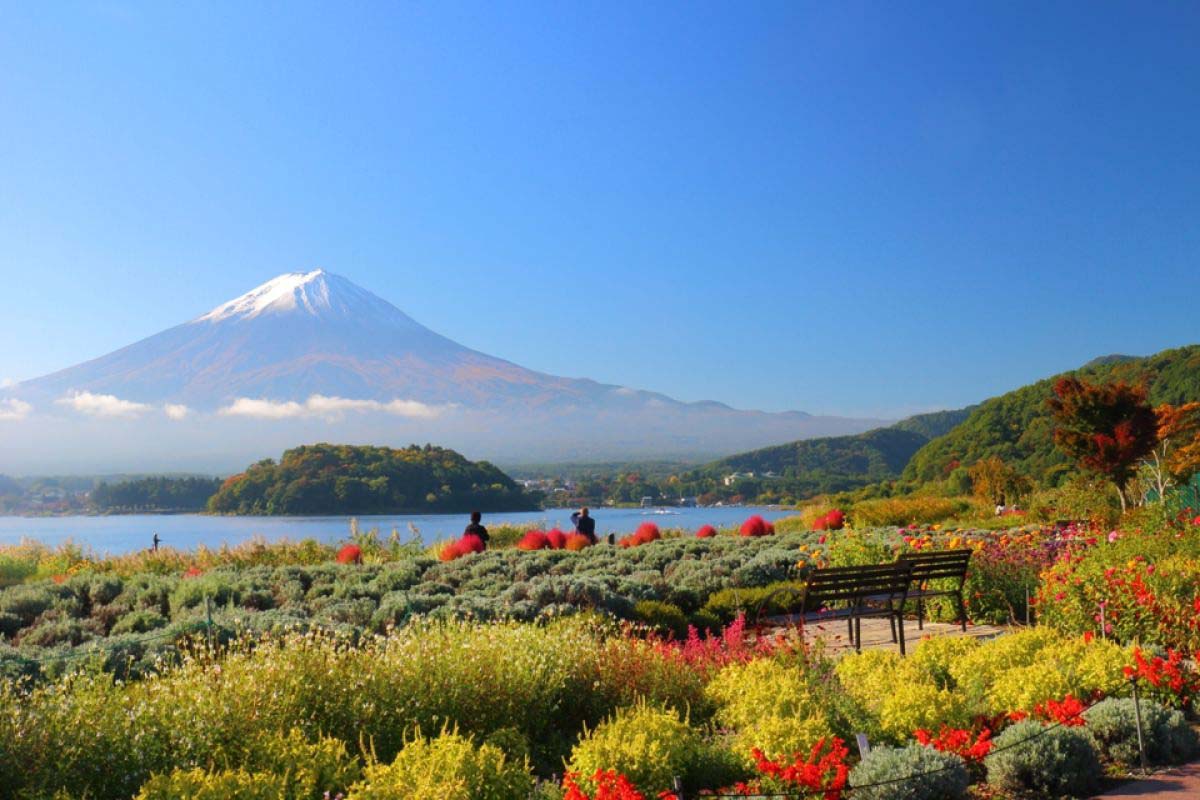
Oishi Park on the north shore of Kawaguchiko is a park with a superb view of lake and Mt.Fuji at once. Various flowers bloom on the promenade along the lakeside according to the season. On a sunny day, there are many photographers who take pictures of Mt. Fuji, lake and flowers from early morning. There is a large free parking lot and is popular as a rest area of the touring of a bicycle and the motorcycle.
Flowers which bloom in profusion every season, the scenery of wide lake and magnificent view of Mt.Fuji are the charm of only Oishi park. You will feel calm if you stroll slowly in the promenade where flowers bloom while looking at Mt.Fuji.

Premium Outlets

Premium Outlets

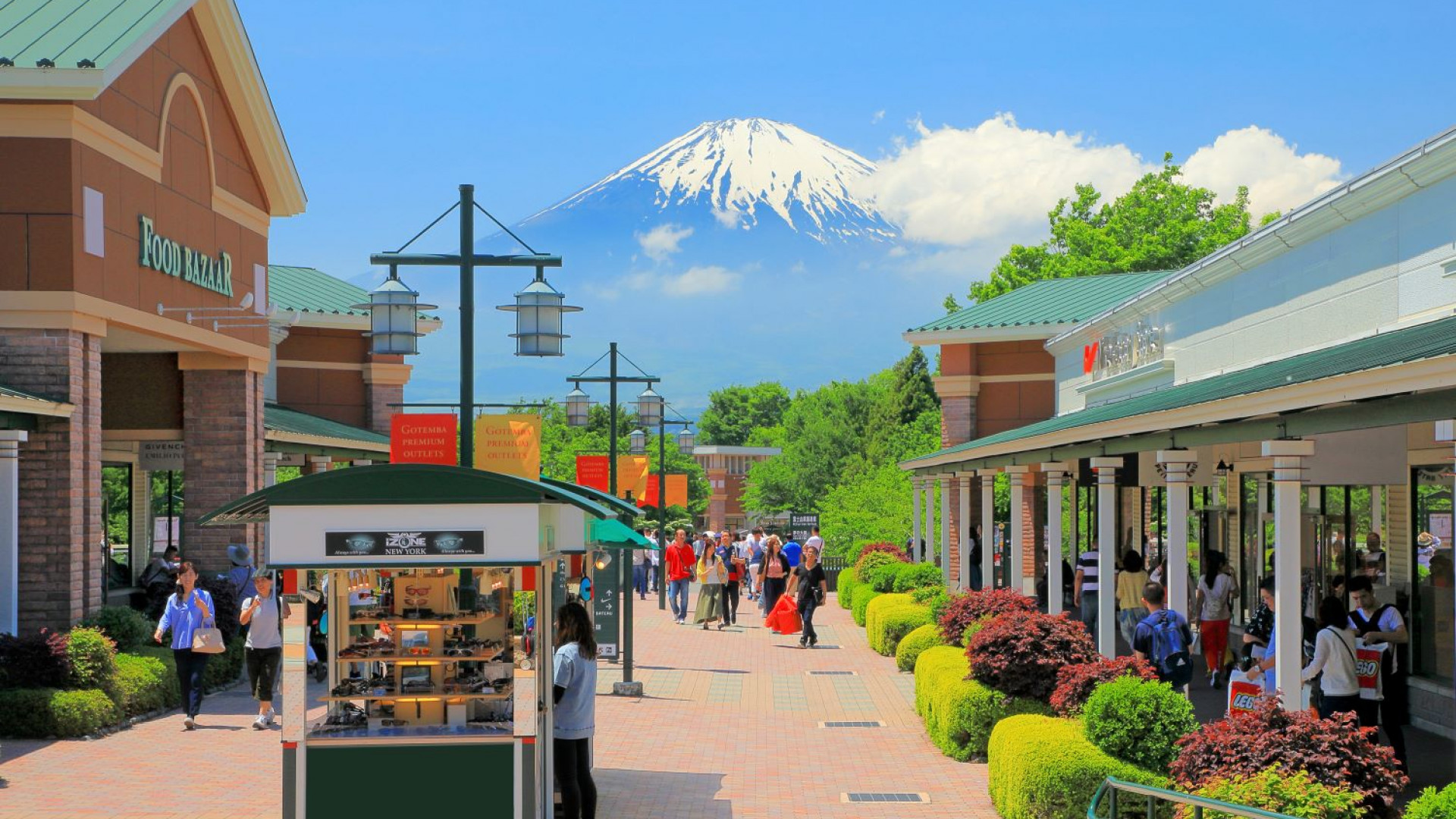
Gotemba is Japan’s most popular outlet mall, with 210 stores offering luxury, sports, and international brands. Located at the base of Mt. Fuji, the mall is accessible by train and bus from Tokyo.

Kawaguchiko Music Forest Museum

Kawaguchiko Music Forest Museum

The Kawaguchiko Music Forest (河口湖オルゴールの森, Kawaguchiko Orgel no Mori) is a small theme park and museum devoted to automatic musical instruments. Its main hall displays antique music boxes, mechanical organs and other automatic musical instruments mostly from European countries. The largest of them is a French fairground organ from 1905 which takes up an entire hall and plays every 30 minutes. The main building also houses a concert hall where classical musicians from around the world perform.

The park outside encloses European-style gardens with good views of Mount Fuji across the lake. Walking paths lead among the garden’s manicured lawns and winding canal, connecting the museums’s restaurant, shops, chapel and rose garden. The Music Forest is run by the Ukai Group, which also operates the Glass Forest, a Venetian glass museum in Hakone.

Dinner (Included)

Stay at Shinagawa Prince Hotel (or similar)
DAY 8
15 September

Breakfast (Included)

Senso-ji

Senso-ji

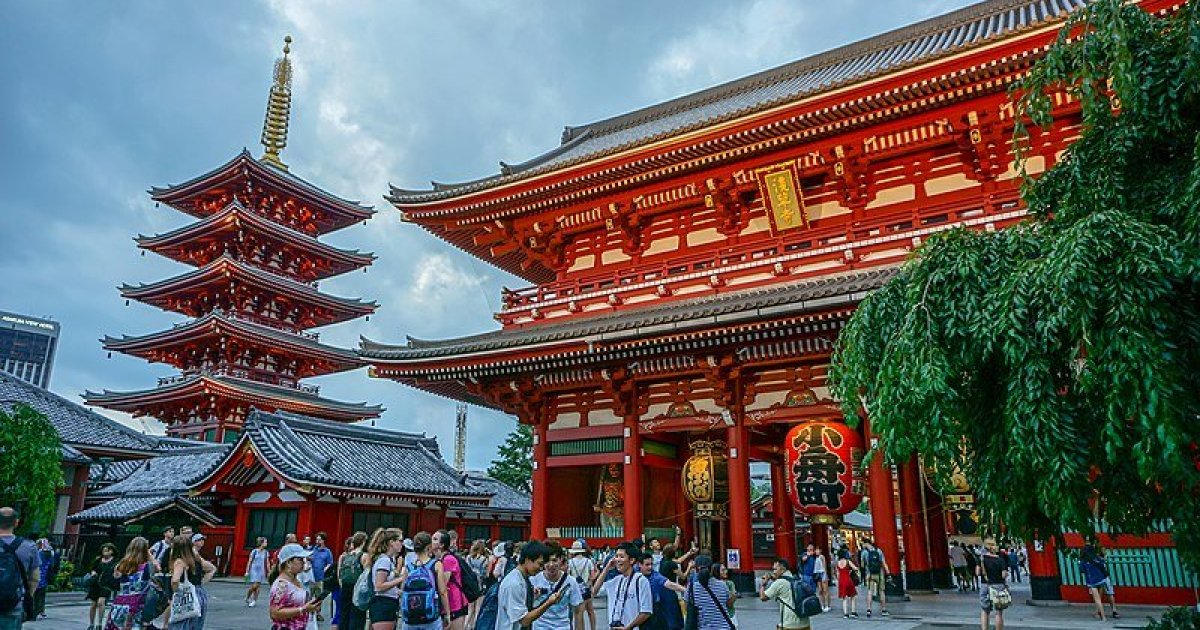
Sensoji (浅草寺, Sensōji, also known as Asakusa Kannon Temple) is a Buddhist temple located in Asakusa. It is one of Tokyo’s most colorful and popular temples.
The legend says that in the year 628, two brothers fished a statue of Kannon, the goddess of mercy, out of the Sumida River, and even though they put the statue back into the river, it always returned to them. Consequently, Sensoji was built nearby for the goddess of Kannon. The temple was completed in 645, making it Tokyo’s oldest temple.

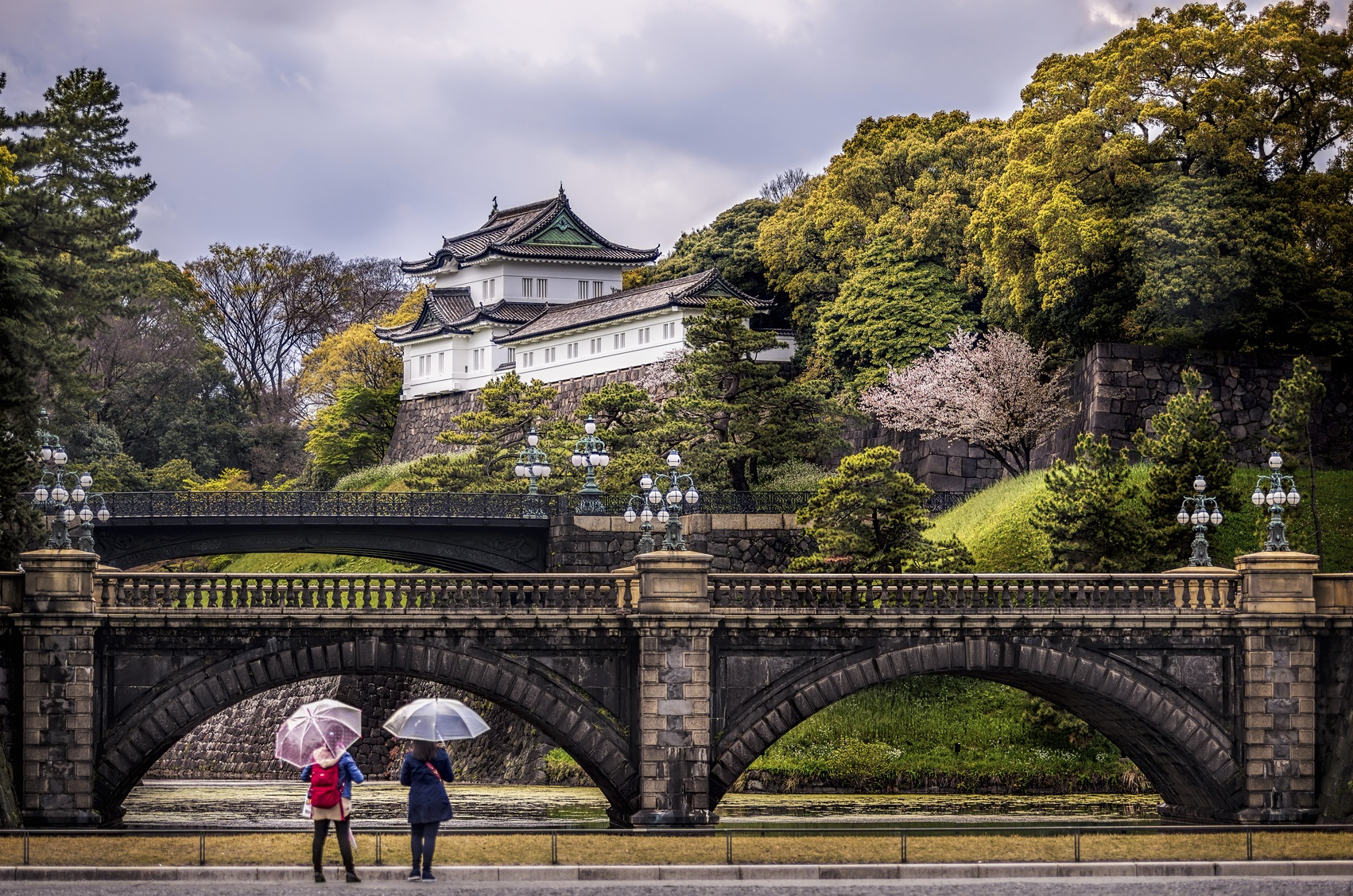
Nijuubashia front part of the Imperial Palace

Nijuubashia front part of the Imperial Palace

A mere 2-minute walk from Tokyo Metro Sakuradamon Station and a 3-minute walk from Hibiya Station and Nijubashi Station, the Nijubashi Bridge is located in front of the Imperial Palace main gate. Also known as “Ninohashi” or “Tsukimihashi,” it is the bridge that goes over the moat from the Imperial Palace Plaza through the main gate to the palace.

There are two bridges in front of the Imperial Palace main gate, the iron bridge that can be seen in the background from the plaza, called the “Seimon-tetsubashi Bridge,” and the stone bridge in the foreground, which is called the “Seimon-ishibashi Bridge.” Some people mistakenly believe “Nijubashi” to be the general name for both bridges, but “Nijubashi” officially refers to the Seimon-tetsubashi Bridge.

Built in the Edo Period, the Nijubashi Bridge was formerly a wooden bridge called “Nishinomaru Gejobashi.” At the time, the part of the moat where the bridge was built was deep, so the bridge was designed by stacking it on top of the logs that served as the base to support the girders. It is said that the bridge began to be called “Nijubashi(double bridge)” because it seemed to have a double structure. Later on, it became an iron bridge in 1888 (Meiji 21) and was repaired in 1964 (Showa 39) to arrive at its current appearance. When it was remodeled, state-of-the-art anti-rust technologies such as zinc spray were introduced in Japan for the first time.

Lunch (Included)

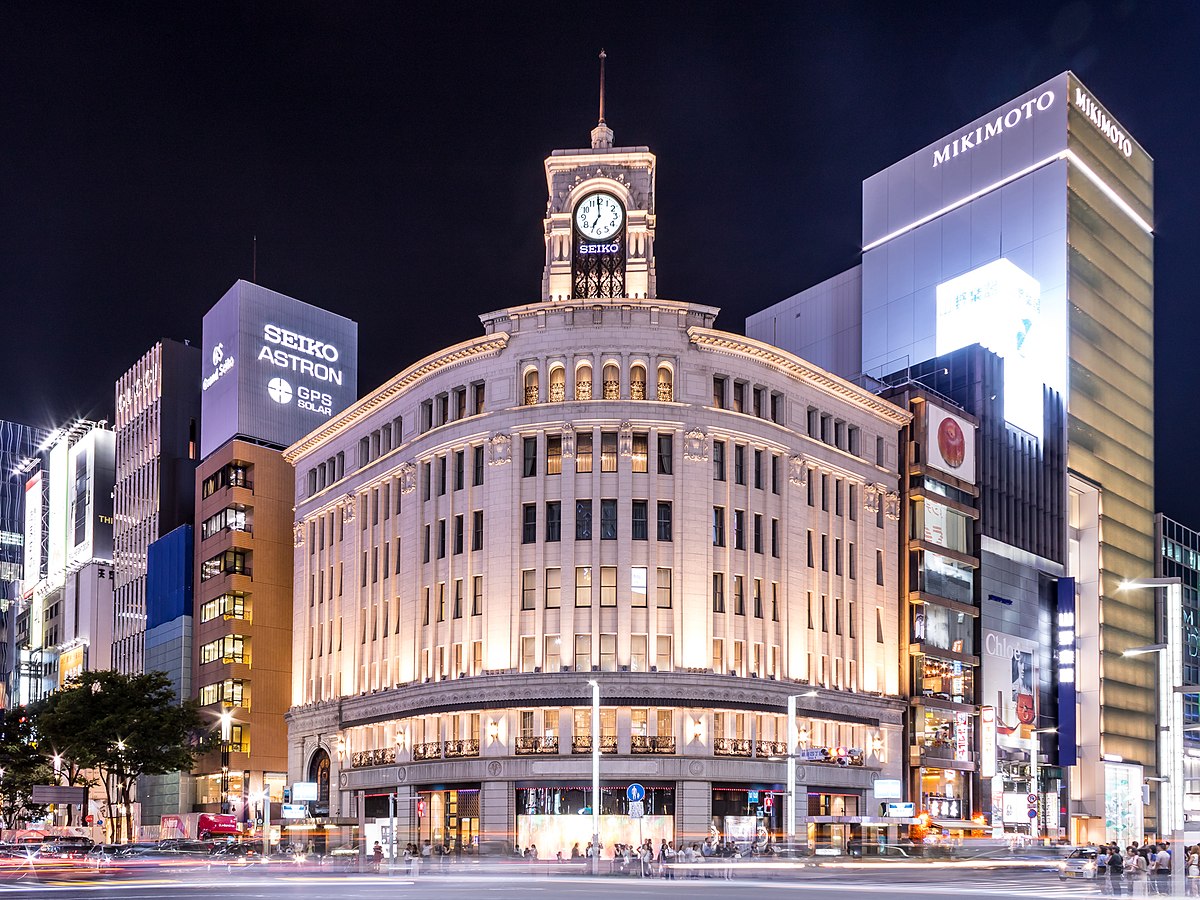
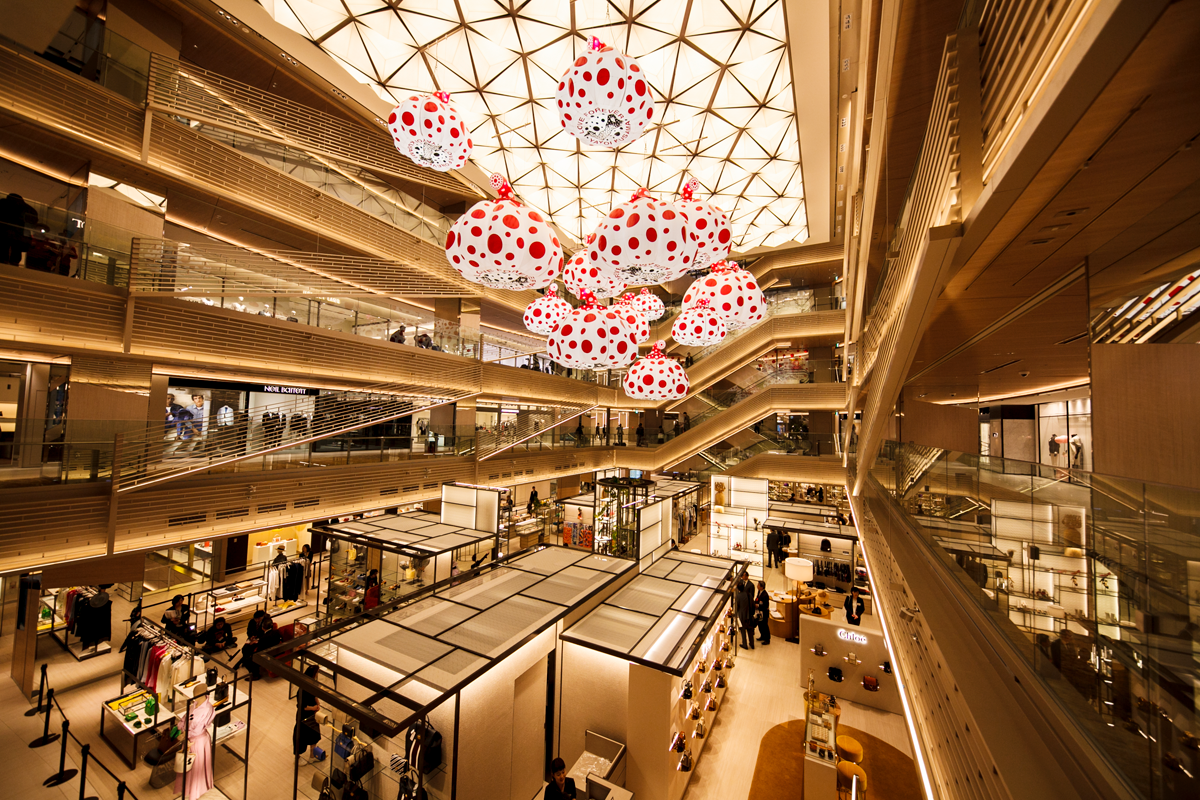
Ginza

GinzaGinza

The Ginza (銀座) is Tokyo’s most famous upmarket shopping, dining and entertainment district, featuring numerous department stores, boutiques, art galleries, restaurants, night clubs and cafes. One square meter of land in the district’s center is worth over ten million yen, making it one of the most expensive real estate in Japan.
From 1612 to 1800, today’s Ginza district was the site of a silver coin mint (Ginza means “silver mint” in Japanese), after which the district was eventually named. The Ginza evolved as an upmarket shopping district following the 1923 Great Kanto Earthquake.

Dinner (Included)

Stay at Shinagawa Prince Hotel (or similar)
DAY 9
16 September

Breakfast (Included)

Osaka (Japan) > Flight Beijing (China)

Air China

Air China – CA184 08:30 – 11:20

Arrive in Beijing

Group arrive at Beijing by CA184, landing around 11:20am. Meet and greet by English-speaking local guide, transfer to Crowne Plaza Beijing Lido and check-in. After short refresh, depart from hotel for sightseeing.

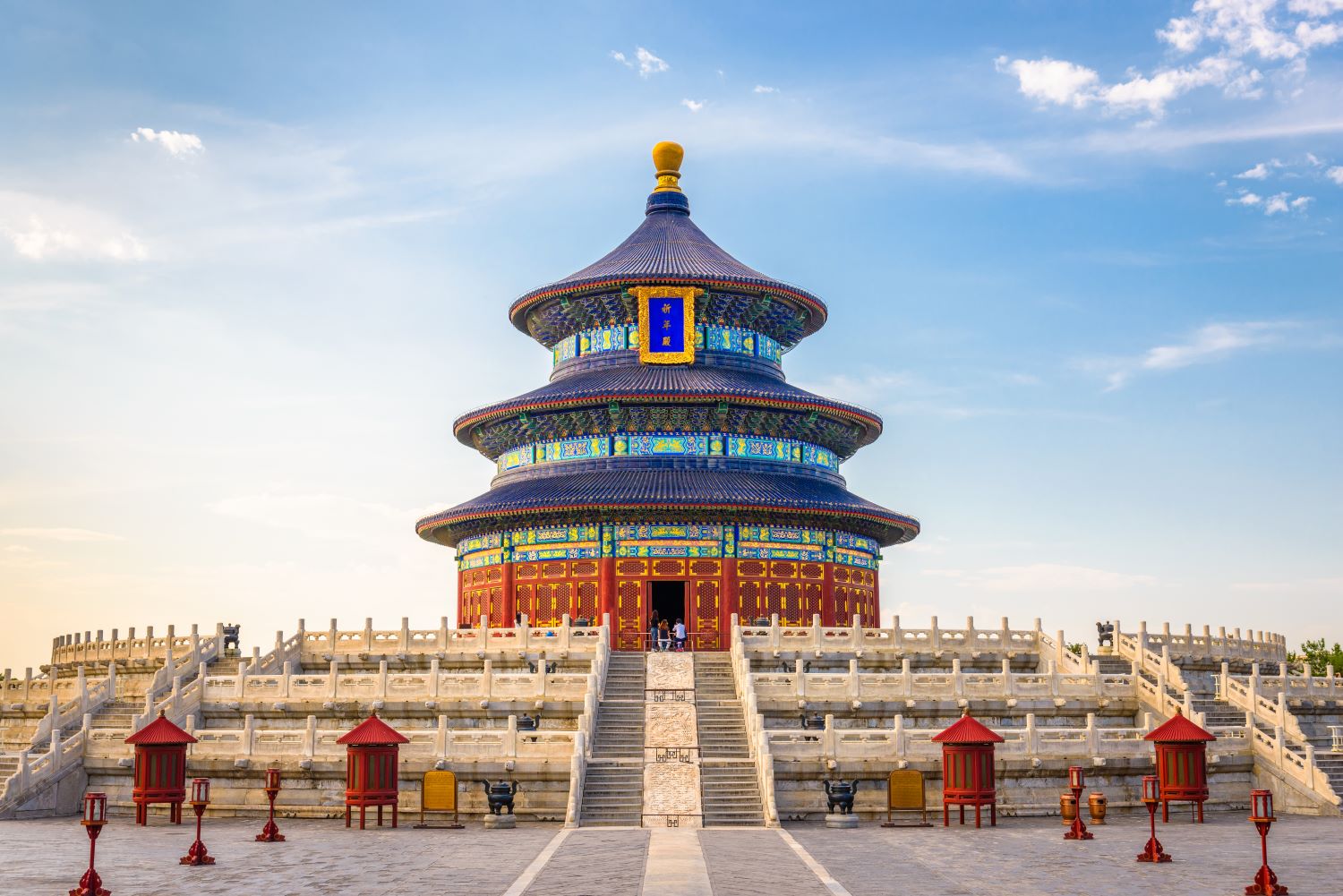
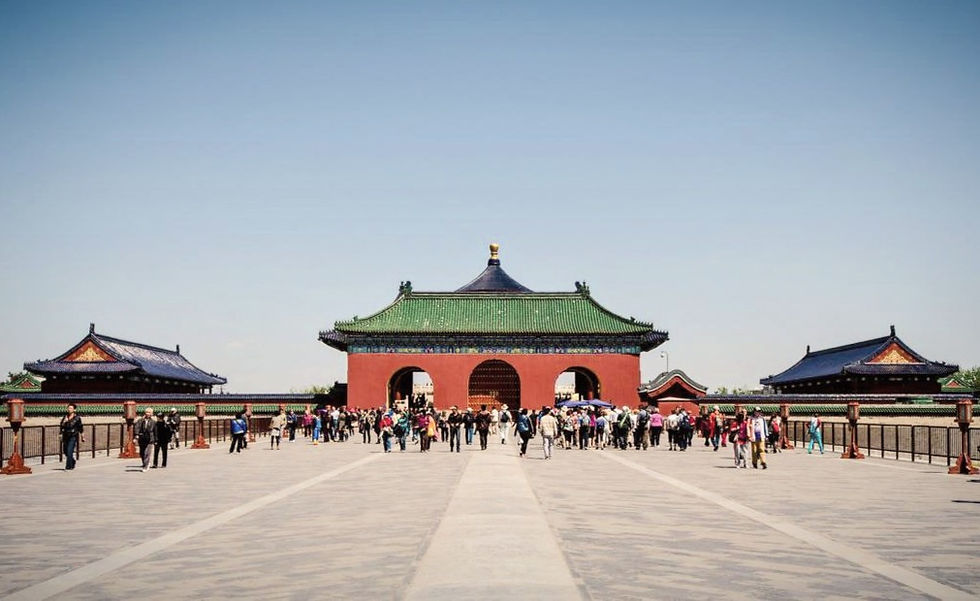
Temple of Heaven

Temple of HeavenTemple of Heaven

The Temple of Heaven, founded in the first half of the 15th century, is a dignified complex of fine cult buildings set in gardens and surrounded by historic pine woods. In its overall layout and that of its individual buildings, it symbolizes the relationship between earth and heaven – the human world and God’s world – which stands at the heart of Chinese cosmogony, and also the special role played by the emperors within that relationship.
Temple of Heaven was enrolled as a World Heritage Site by UNESCO in 1998.

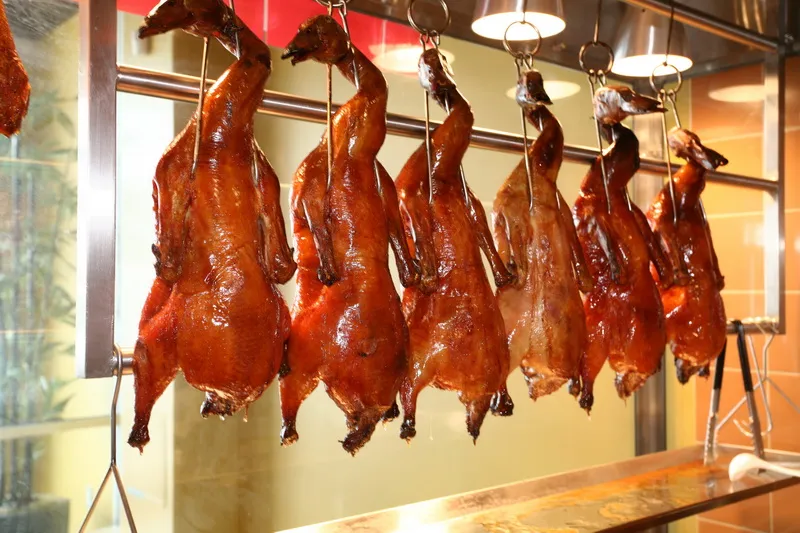
Dinner – Beijing Roast Duck (Peking Duck) (Included)

Peking DuckPeking Duck

Beijing duck, also known as Peking duck, is a world-renowned dish that originated in Beijing, China. This iconic dish is characterized by its crispy, golden-brown skin and tender, succulent meat. Traditionally, the duck is prepared by air-drying the whole bird, seasoning it with a mix of spices, and roasting it in a special oven until the skin becomes crispy and the meat is juicy. The duck is then carved tableside and served with thin pancakes, spring onions, cucumber, and hoisin sauce, allowing diners to assemble their own wraps. With its crispy texture, rich flavor, and delightful presentation, Beijing duck is a culinary masterpiece that continues to captivate food lovers around the world.

Stay at Crowne Plaza Beijing Lido (or similar)
DAY 10
17 September

Breakfast (Included)

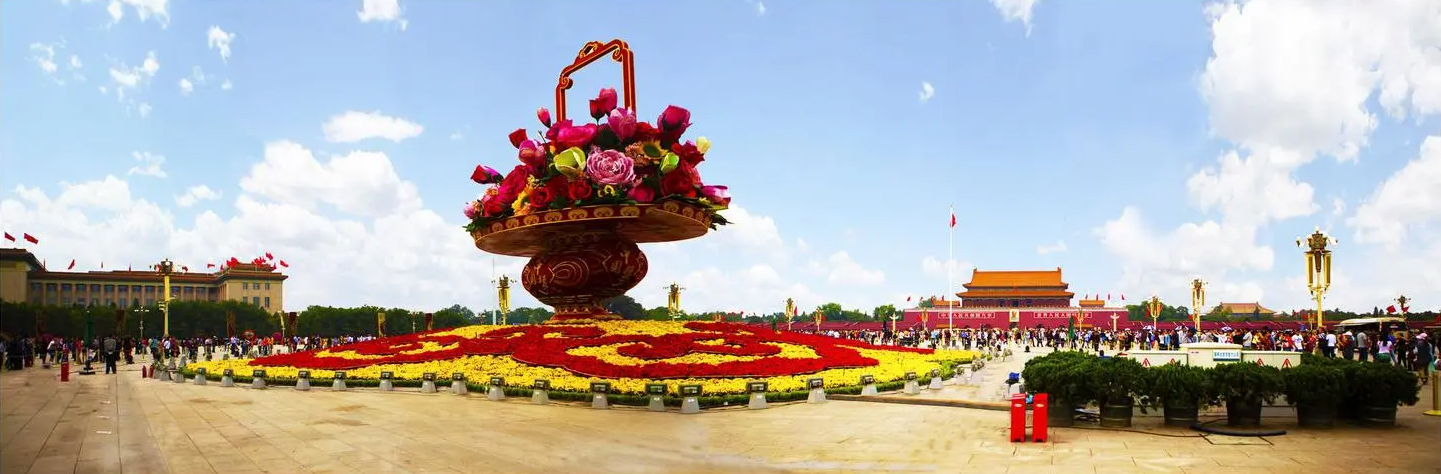
Tian’anmen Square

Tian'anmen Square

Tian’anmen Square is the largest city square in the centre of Beijing, named after the Tiananmen (literally, Gate of Heavenly Peace) which sits to its north, separating it from the Forbidden City. It has great cultural significance as it was the site of several key events in Chinese history. As the world’s largest city square and enduring symbol of China’s national pride, it is surrounded by many imposing buildings including the Heavenly Gate (entry to the Forbidden City), Museums, government buildings and Chairman Mao’s Mausoleum.

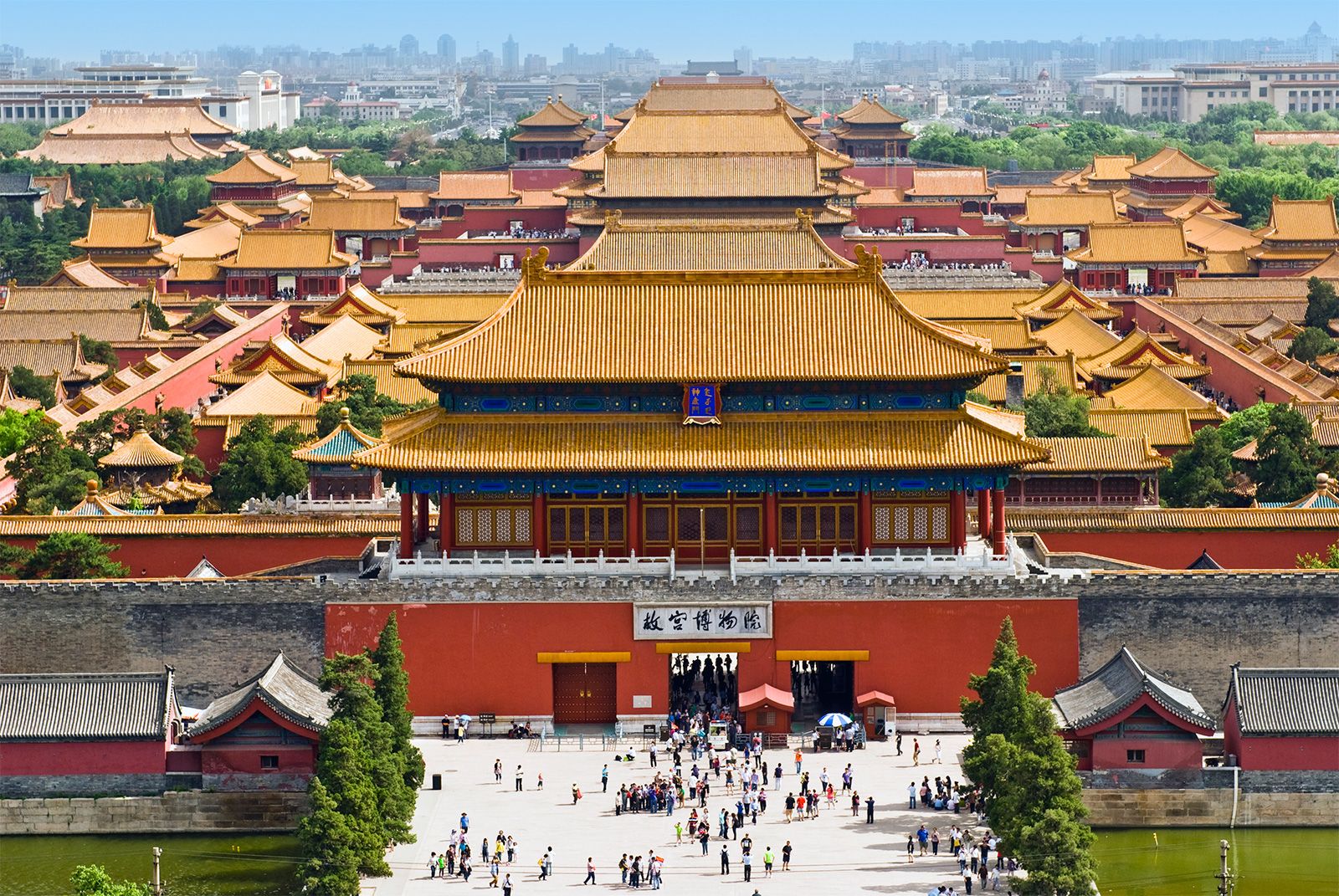
The Forbidden City

The Forbidden City

The Forbidden City, also known as the Imperial Palace (Gugong, or Zijincheng). The Palace Museum is the largest and best-preserved collection of ancient buildings in China. It was the Chinese imperial palace from Ming Dynasty to the end of the Qing Dynasty. This site is an image of China relayed throughout the world on national days and at public events. Today, the Palace is filled with tourists but under the emperors, these “commoners” would have been executed had they dared to enter the complex! Given the popularity of the site, the Chinese government have invested a lot of time and money in the Palace and it is now a fantastic place to wander and dream of times gone by.

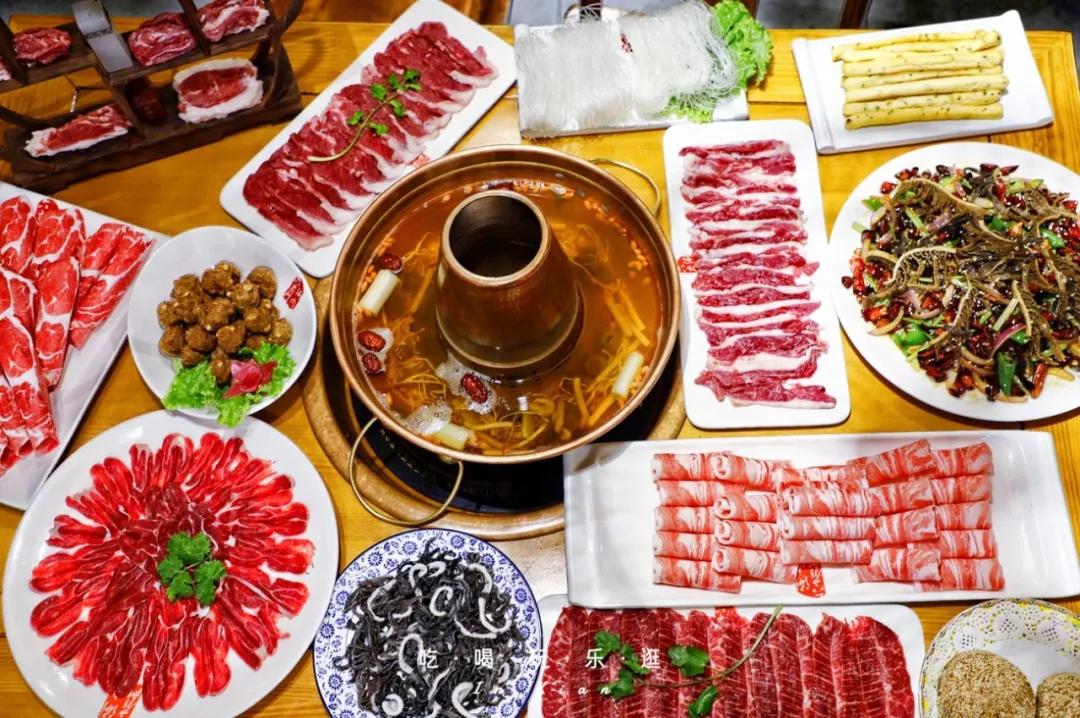
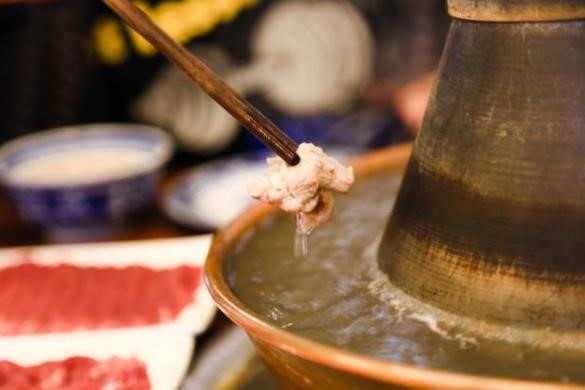
Lunch – Special Hot Pot

Hot Pot lunchHot Pot lunch

Less commonly Chinese fondue or steamboat, refers to several East Asian varieties of stew, consisting of a simmering metal pot of stock at the center of the dining table. While the hot pot is kept simmering, ingredients are placed into the pot and are cooked at the table. Typical hot pot dishes include thinly sliced meat, leafy vegetables, mushrooms, wontons, egg dumplings, and seafood. Vegetables, fish and meat should be fresh. The cooked food is usually eaten with a dipping sauce. In many areas, hot pot meals are often eaten in the winter.

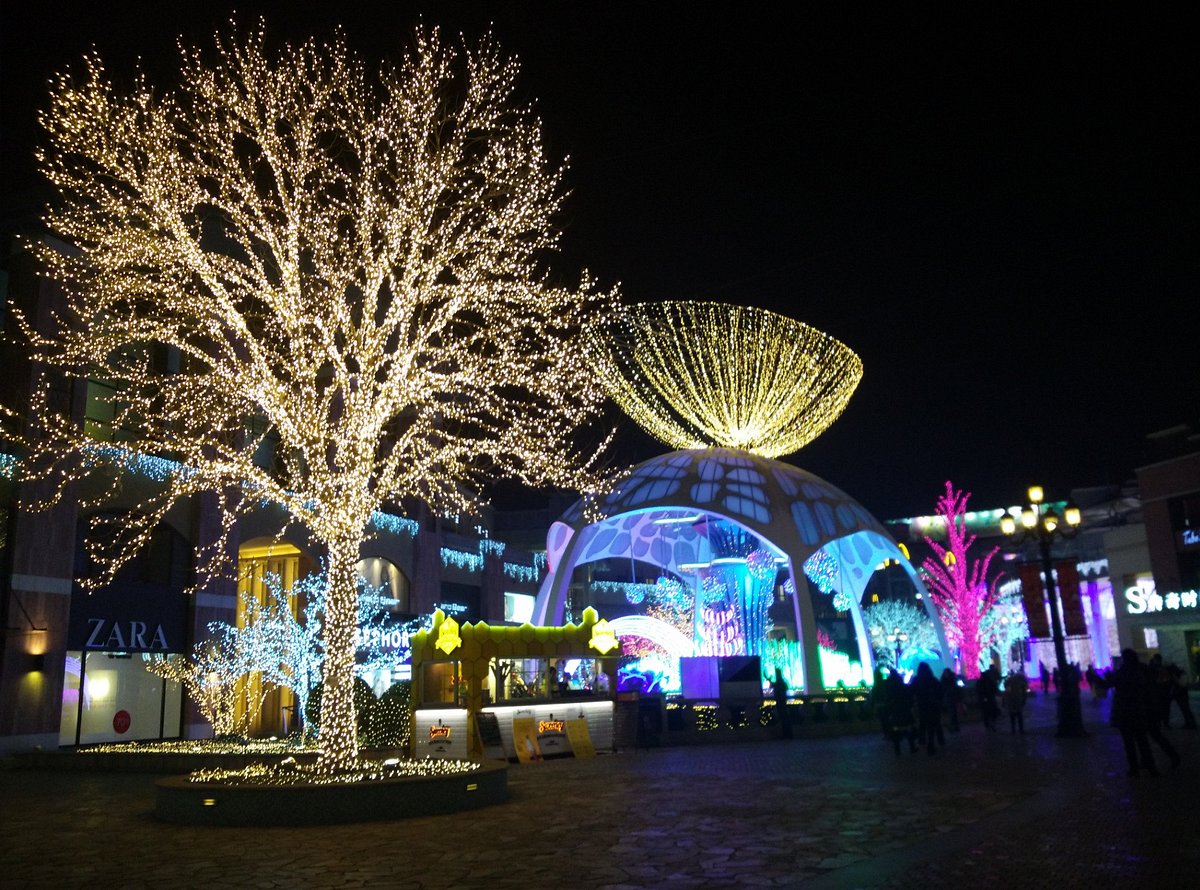
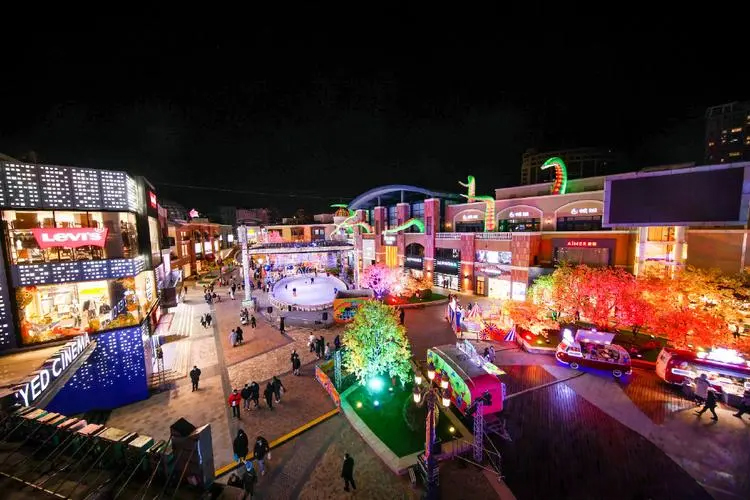
Solana Shopping Park (Free time here) (Get your own Dinner)

Solana Shopping ParkSolana Shopping Park

Solana Shopping Park is a vibrant shopping destination located in the Chaoyang District of Beijing, China. Known for its modern architecture and picturesque lakeside setting, Solana offers a unique shopping experience with a wide array of international and domestic brands, boutiques, restaurants, and entertainment options. Visitors can enjoy leisurely strolls along the scenic promenade, dine at one of the many restaurants overlooking the lake, or explore the diverse range of shops offering everything from fashion and accessories to electronics and home goods. Whether for shopping, dining, or leisure, Solana Shopping Park provides a dynamic and enjoyable environment for visitors of all ages.

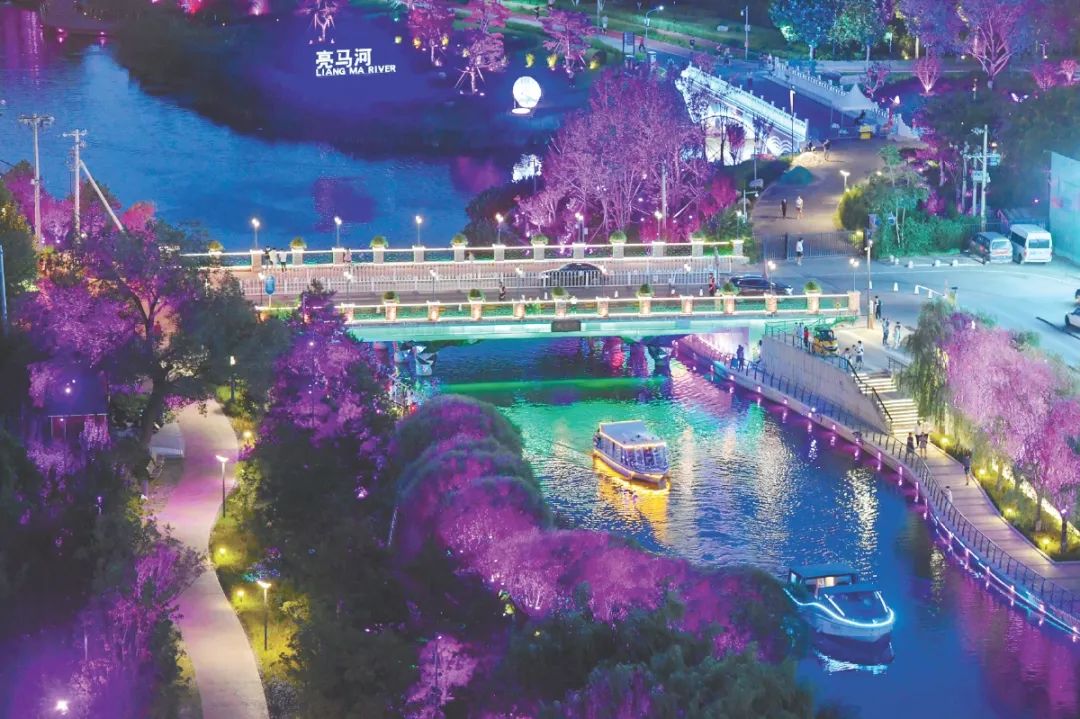
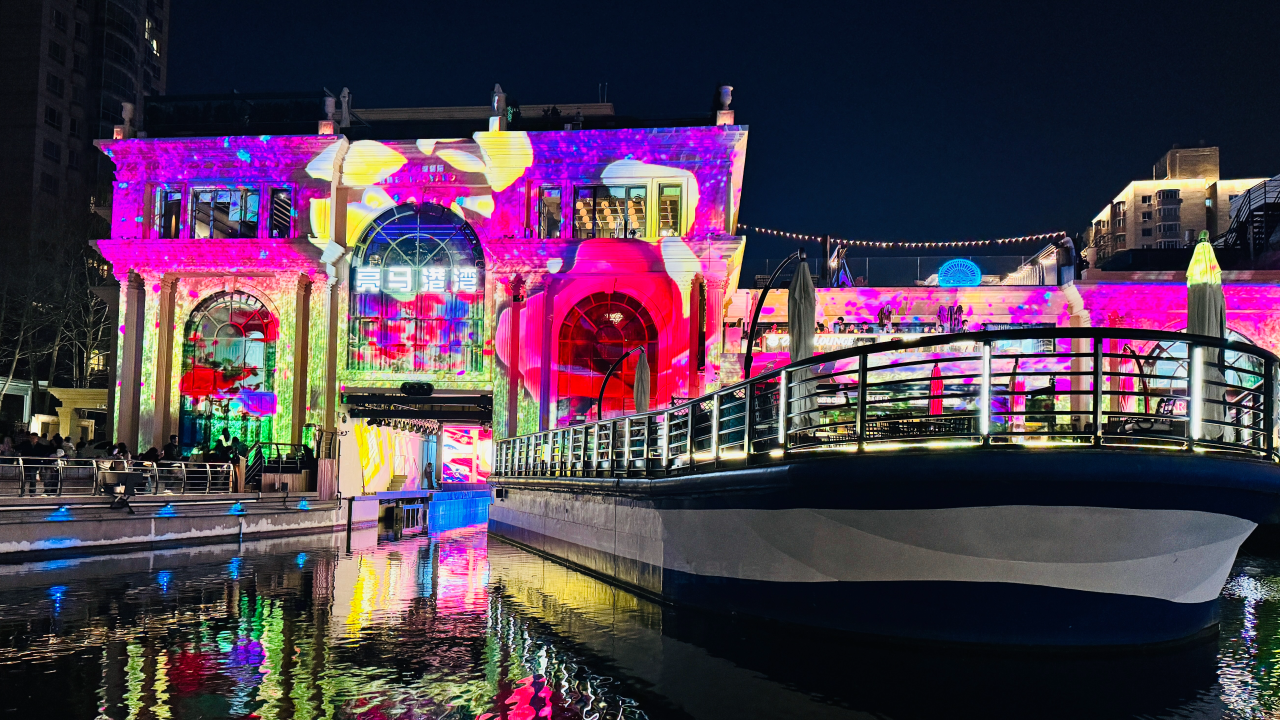
Liangma River International Waterfront Cruise

Liangma River International Waterfront CruiseLiangma River International Waterfront Cruise

The Liangma River International Waterfront Cruise offers a delightful way to experience the beauty of Beijing’s Chaoyang District. This leisurely cruise takes passengers along the picturesque Liangma River, providing stunning views of the city’s modern skyline and tranquil waterfront scenery. Whether enjoying a romantic evening cruise or a daytime sightseeing tour, passengers can relax and unwind while taking in the sights of this dynamic city from a unique vantage point. With comfortable seating, knowledgeable guides, and a serene atmosphere, the Liangma River International Waterfront Cruise promises an unforgettable experience for visitors to Beijing.

Stay at Crowne Plaza Beijing Lido (or similar)
DAY 11
18 September

Breakfast (Included)

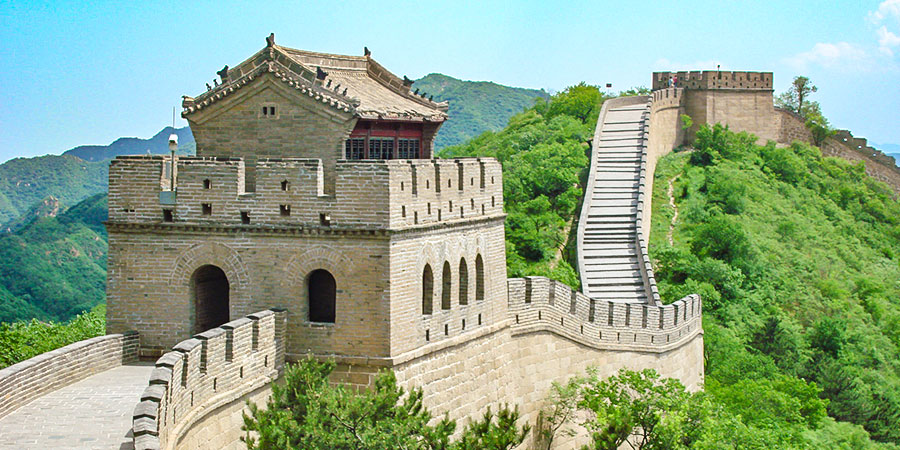
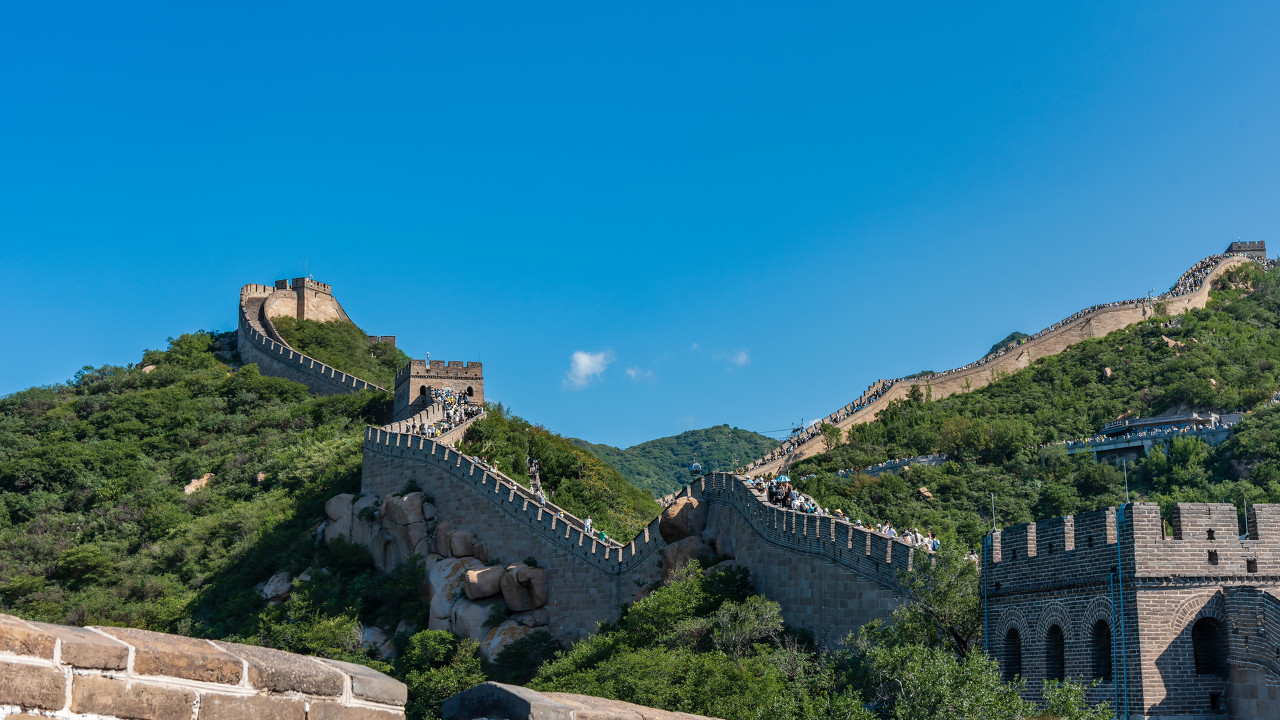
Badaling Great Wall

Badaling Great WallBadaling Great Wall

Badaling’s name can be traced back to the long poems “Arriving at Badaling at Night, Ascending Until Dawn, and Leaving Badaling” by Liu Ying, a poet of the Jin Dynasty. Approximately 1,500 years ago, during the Northern Wei regime, the Great Wall was constructed near Badaling. In 1403, Emperor Chengzu Zhu Di, the third ruler of the Ming Dynasty, ascended to the throne and initiated five great expeditions. Subsequently, he launched large-scale and comprehensive construction of the Great Wall. Over 270 years, a total of 18 large-scale construction projects were undertaken, leading to the completion of the Great Wall of China as we know it today. In 1952, three years after the founding of the People’s Republic of China, Guo Moruo, the vice-premier and director of the Culture and Education Commission, proposed the repair of the Badaling Great Wall to accommodate Chinese and foreign tourists. In 1986, the Badaling Great Wall was listed as one of the 16 scenic spots of New Beijing. The following year, in 1987, the United Nations included the Great Wall in the World Cultural Heritage directory. Since then, Badaling has welcomed 130 million Chinese and foreign tourists, including 372 foreign heads of state and numerous prominent figures such as Richard Nixon, Ronald Reagan, Margaret Thatcher, Mikhail Gorbachev, Elizabeth II, and Edward Heath. Badaling’s reputation as one of the world’s most famous scenic spots is well deserved, leaving visitors deeply impressed with its grandeur and historical significance, evoking endless contemplation and wonder.

Lunch at Local Restaurant

Drive back to downtown

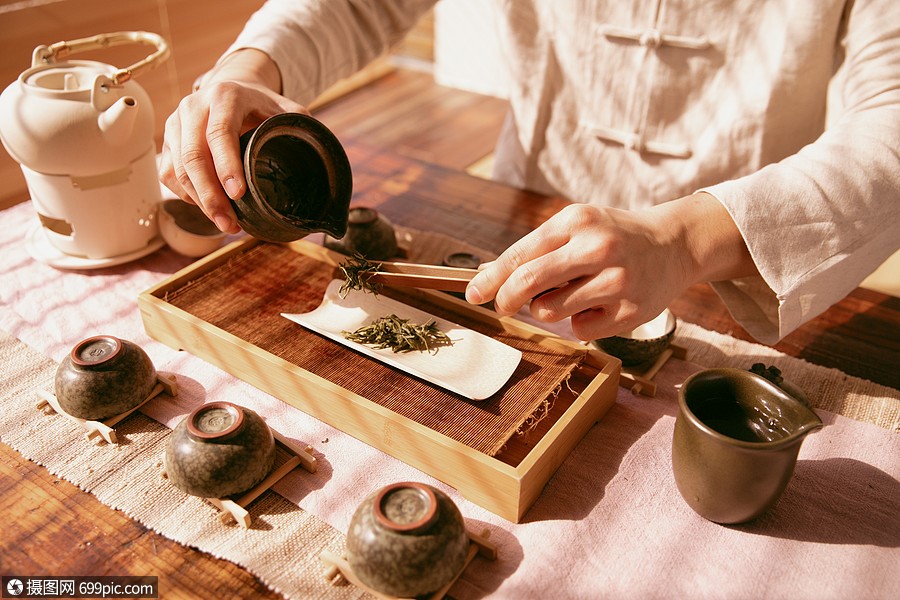
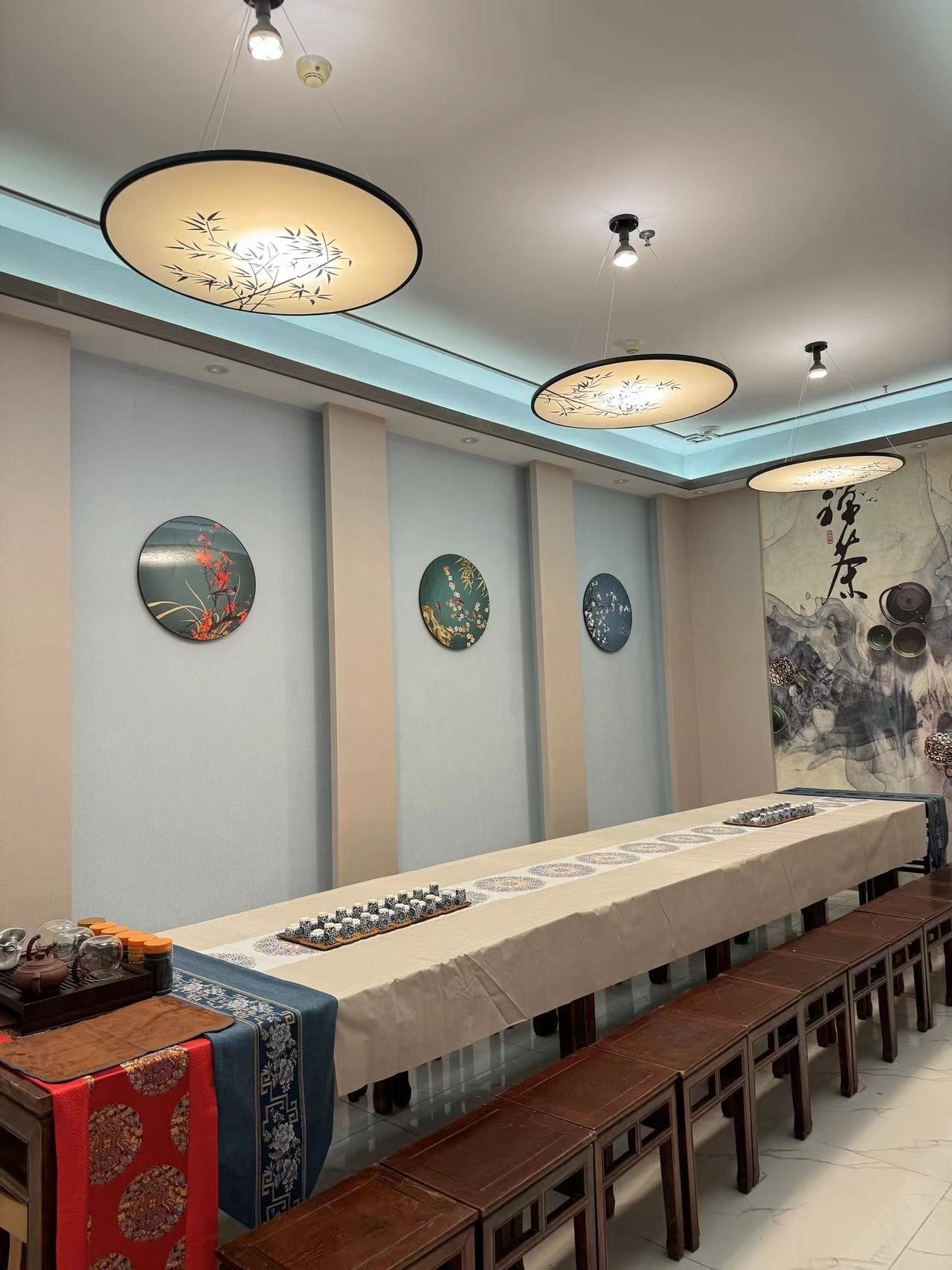
Tea Ceremony

Tea CeremonyTea Ceremony

The Chinese tea ceremony, an integral part of Chinese traditional culture, boasts a rich history dating back centuries. It is an art form that beautifully showcases tea culture through a series of meticulously performed rituals and actions, including tea preparation, tasting, and pouring. Central to the tea ceremony are the skills of the tea master, who adeptly manipulates elements such as water temperature, brewing time, and pouring technique to extract the essence of the tea. Attention is also given to the transmission of fragrance and the color of the tea soup, ensuring that the tea’s flavor and aesthetic appeal reach their zenith. Beyond the technical aspects, the tea ceremony emphasizes etiquette and respect. Tea masters employ a series of gestures and rituals while pouring tea, expressing reverence for their guests and deep respect for the tea culture.

The National Stadium (Bird’s Nest)

The National Stadium (Bird's Nest)

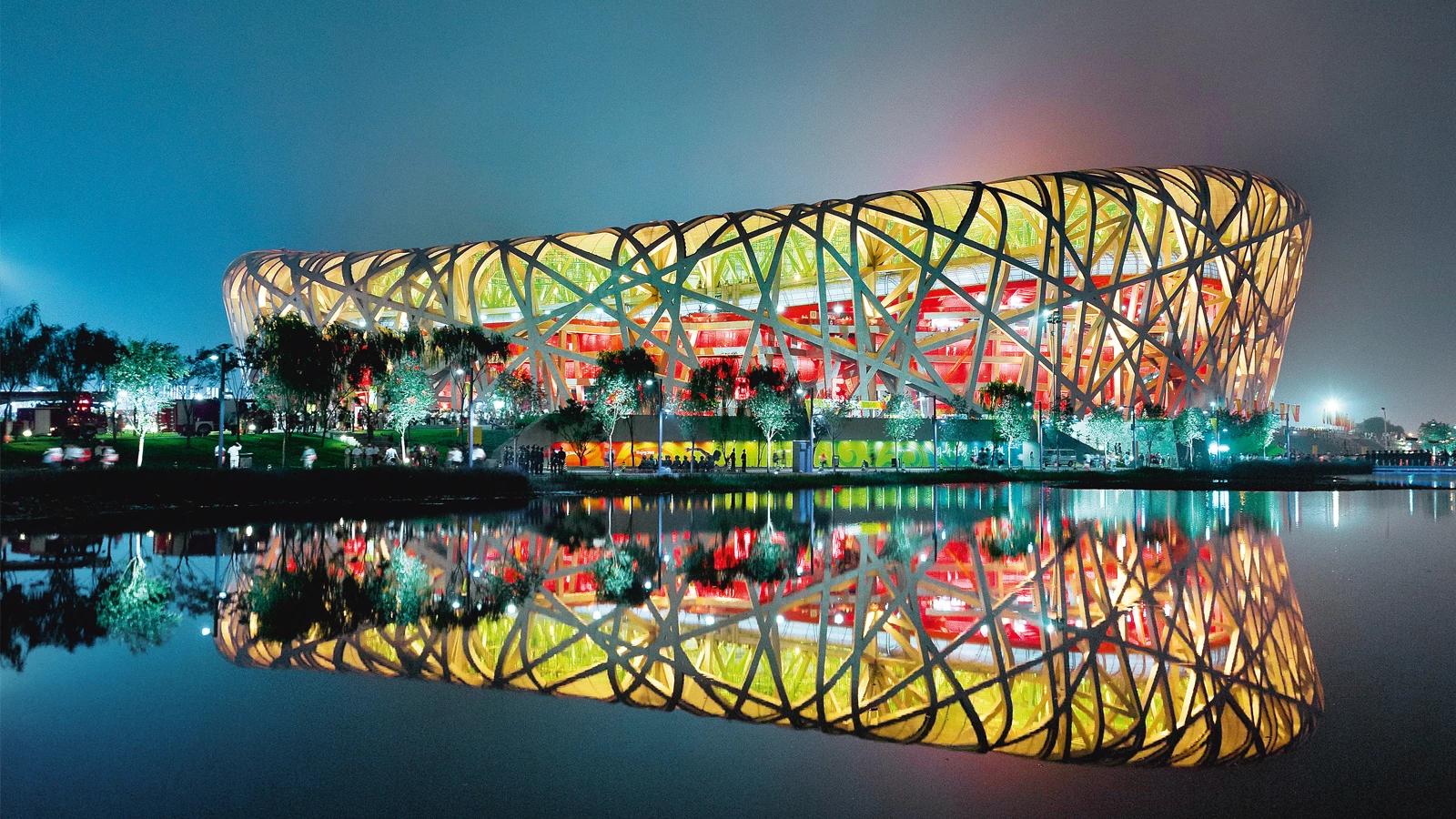
The main stadium of the 29th Summer Olympic Games is situated in the central area of the Beijing Olympic Park, covering an expansive 20.4 hectares with a construction area of 258,000 square meters. With a seating capacity of 91,000 spectators, this state-of-the-art sports facility boasts a main structure designed to last 100 years and features a distinctive elliptical nest shape. Construction of the National Stadium commenced on December 24, 2003, and was completed on June 28, 2008. Advanced energy-saving designs and environmental protection measures were implemented throughout the construction process, ensuring the stadium’s sustainability and efficiency.

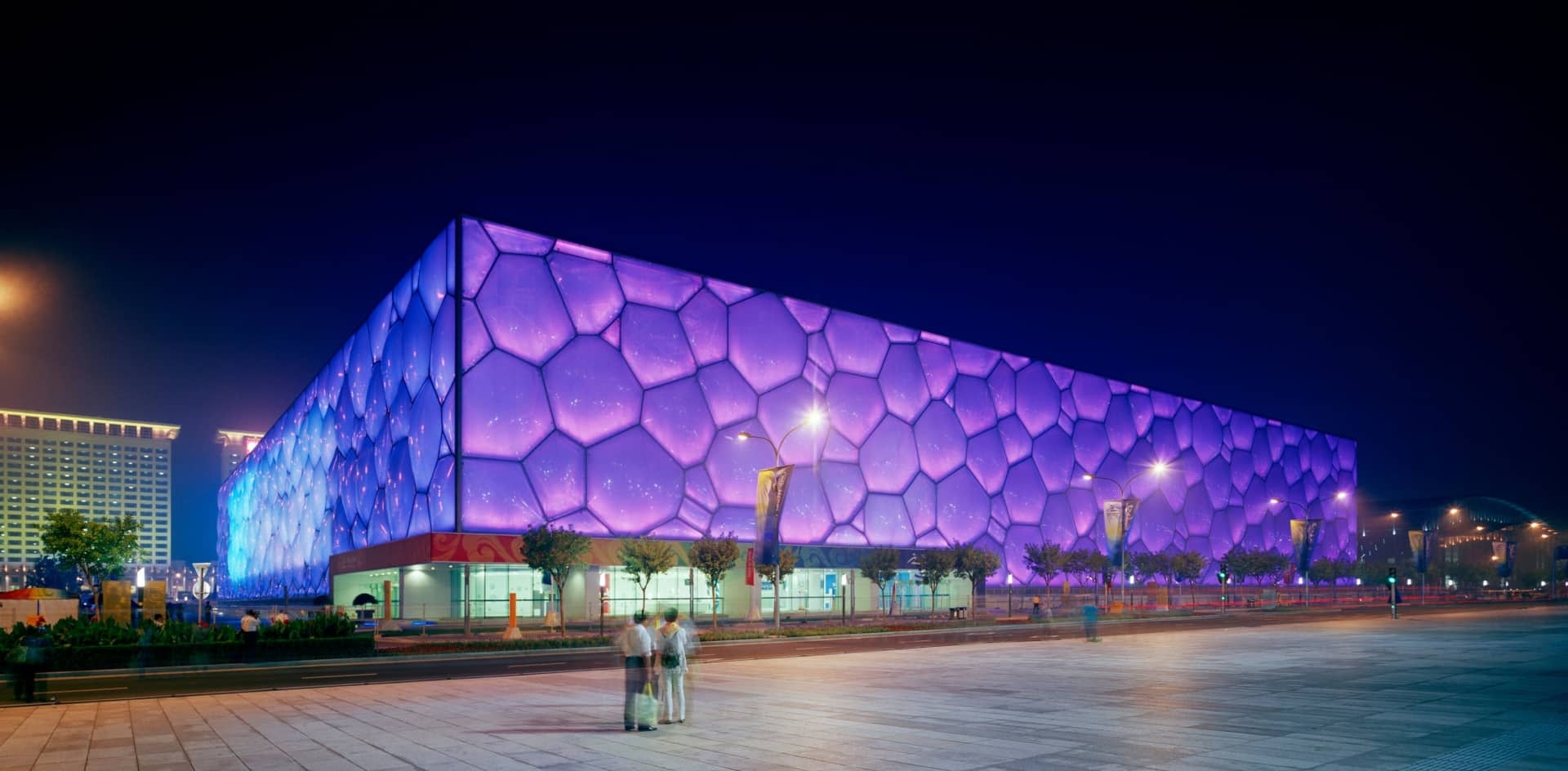
The National Aquatics Center (aka the Water Cube / Ice Cube)

The National Aquatics Center (aka the Water Cube / Ice Cube)

Originally constructed for the 2008 Beijing Olympics, the venue has since been renovated for the 2022 Beijing Winter Olympics. By the end of 2020, the center had welcomed 26 million visitors, hosted over 1,600 events, and provided swimming services to approximately 2.6 million people.

Free Evening and Dinner on your own

Stay at Crowne Plaza Beijing Lido (or similar)
DAY 12
19 September

Breakfast (Included)

National Museum of China
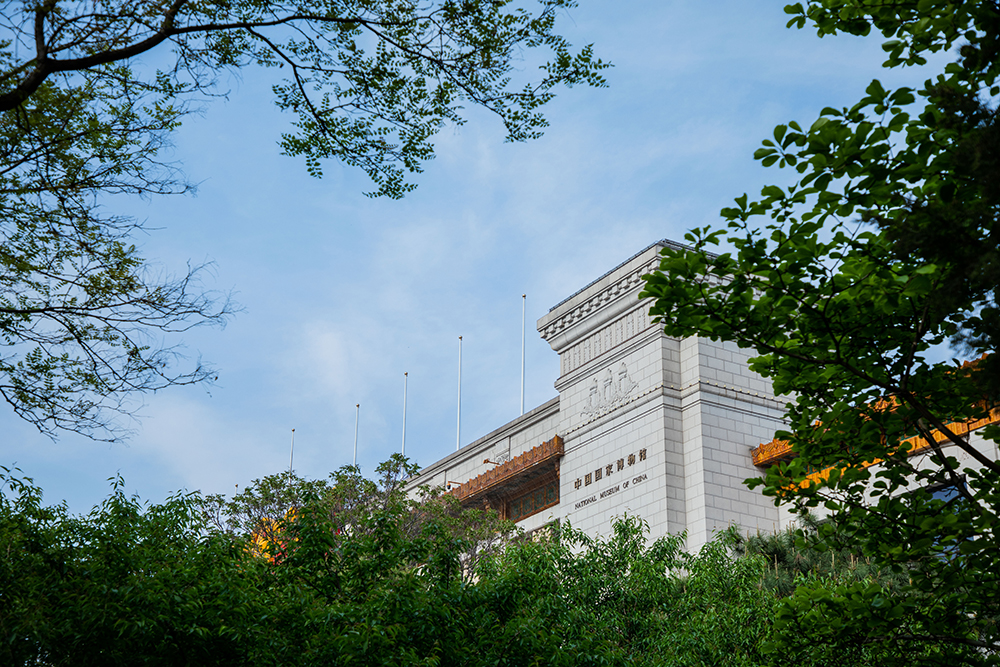
National Museum of ChinaNational Museum of China

The National Museum of China (NMC) is China’s supreme establishment that collects, researches, displays and interprets China’s fine traditional culture, revolutionary culture and advanced socialist culture. NMC is the top palace of history and art and a cultural parlor for China. Led by General Secretary Xi Jinping, all members of the Standing Committee of the 18th CPC Central Committee Political Bureau visited NMC’s permanent exhibition “The Road of Rejuvenation” on November 29, 2012. During that visit, General Secretary Xi Jinping called for realizing the Chinese Dream of the great rejuvenation of the Chinese nation, ushering in the new era of socialism with Chinese characteristics. On November 13, 2018, the comrades of the CPC Central Committee led by General Secretary Xi Jinping visited the “Great Reform: A Major Exhibition Celebrating the 40th Anniversary of Reform and Opening-up” at the NMC. General Secretary Xi said that the exhibition should serve educational and guiding purposes to make the officials and masses realize the CPC, the Chinese people and the socialism with Chinese characteristics have immense strength, and gain a deeper understanding that the CPC theory, the lines and policies determined by the CPC Central Committee and the series of strategic arrangements for reform and opening-up are correct, that the reform and opening-up and socialist modernization drive point to bright prospects, and that we should work with one mind, build consensus, raise our morale, get united, and firm up our confidence and determination to follow the CPC on the path of socialism with Chinese characteristics and the path of reform and opening-up.

The history of the NMC can be traced back to 1912 when the Preparatory Office of the National Museum of History was founded. According to the decision of the CPC Central Committee, the NMC was founded in 2003, merging from the National Museum of Chinese History and the National Museum of Chinese Revolution. The renovation and expansion of the Museum was started in 2007 and completed in March 2011, when the Museum began to reopen to the public. The new building keeps the western, northern and southern facades of the old building. Covering a land area of 70,000 square meters, the new building stands 42.5 meters high, consisting of five stories above the ground and two stories underground; with a total of 48 galleries, the renovated museum has a floor space of nearly 200,000 square meters. In terms of the floor space it is the largest single-building museum in the world.
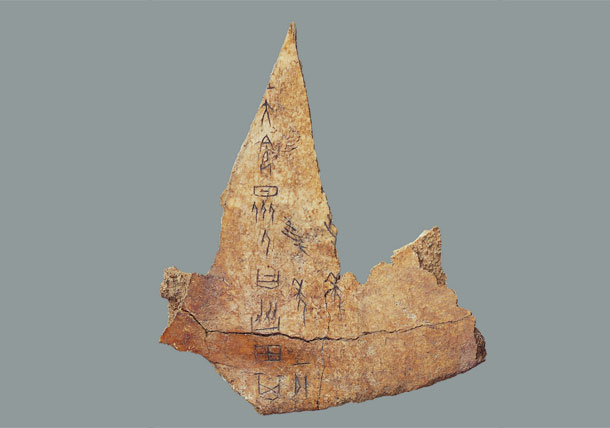
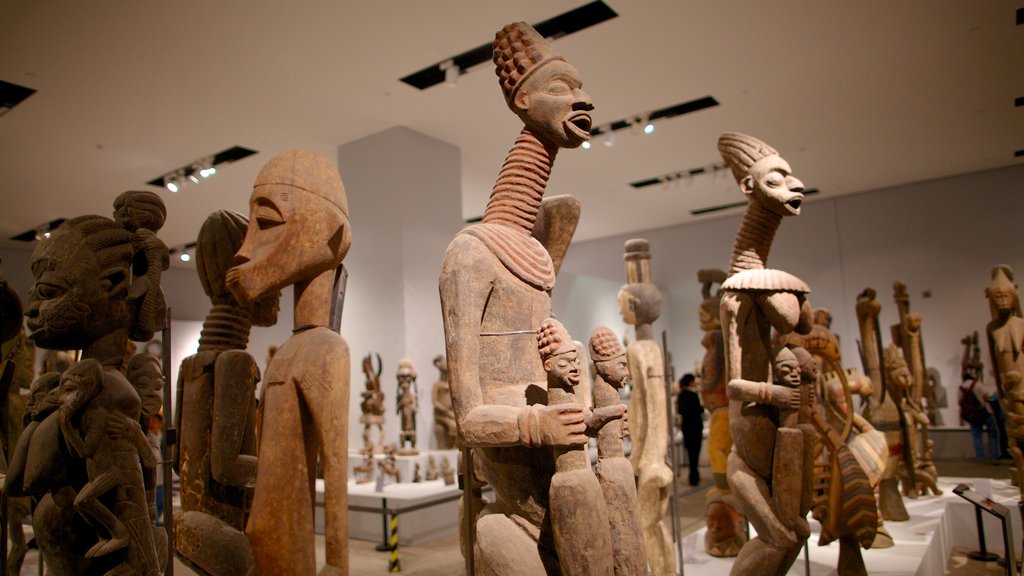
National Museum of ChinaNational Museum of China

The NMC houses more than 1.4 million items of collection, covering ancient and modern artifacts, rare and antiquarian books, and works of art. Specifically, it collects 815,000 pieces/sets of ancient cultural heritage, 340,000 pieces/sets of modern cultural heritage, more than 240,000 rare and antiquarian books. Notably, its collection includes nearly 6,000 Grade One cultural relics. Over recent years and especially after the 19th National Congress of the CPC, the NMC has stepped up efforts to collect representative material evidence reflecting revolutionary culture and contemporary advanced culture of China. Annually it collects 50 pieces/sets of ancient cultural heritage and more than 1,000 sets of modern cultural heritage and artwork.

The NMC holds permanent, special and temporary exhibitions which combine to form a multi-dimensional exhibition system. Specifically, its permanent exhibitions include “Ancient China”, “The Road of Rejuvenation” and “The Road of Rejuvenation: New Era”, which makes the MMC an important base to promote the excellent traditional culture, revolutionary culture and advanced socialist culture of China, and to foster and implement the core socialist values. The ten-plus special exhibitions that mainly feature the NMC collection display Chinese ancient bronze ware, Buddhist statues, jade ware, porcelain, national gifts, modern classical works of fine arts and African wood carving. In addition, on an annual basis the NMC holds 40-plus temporary exhibitions which include those curated by the Museum itself and the exchange exhibitions from outside, covering history and culture, selected artifacts, archaeological discovery, modern masterpieces of fine arts, culture of specific regions, and international communication. In 2018 the NMC received a record high of as many as over 8.61 million visitors, which made it rank among the most popular museums in the world. In particular, during the “Great Reform: A Major Exhibition Celebrating the 40th Anniversary of Reform and Opening-up”, the NMC registered more than 4.23 million visits. This exhibition that gives a concentrated demonstration of the miracle China has performed and the immense changes the country has undergone over the past four decades has not only become the focus of attention of domestic and international media, but also created many records in the exhibition arrangement, number of visits and vistors’ response to the exhibition. It has thus become a new benchmark for large-scale exhibitions.

The NMC, boasting rich research resources, a solid research foundation and a strong contingent of research personnel, leads the development of the domestic museological community.

Since 2018 the NMC implements in a deep-going way the major decisions and arrangements of the CPC Central Committee with Comrade Xi Jinping at the core, deepens reform across the board, forges ahead to break new ground, and upholds the principle of stressing the exhibition rather than the collection for mutual benefit and win-win cooperation to build ties of strategic cooperation with museums, research institutes and higher education institutions in and beyond China to conduct joint academic researches, hold selected cultural heritage exhibitions, convene seminars, launch pos-doctoral research programs, and lead the efforts to build the BRICS Alliance of Museums and International Alliance of Museums of the Silk Road. It endeavors to play a greater role in promoting core socialist values, enhancing cultural confidence of Chinese people, boosting communication and mutual learning among Chinese and foreign civilizations and building a socialist cultural power.

Hutong (Including Lunch)
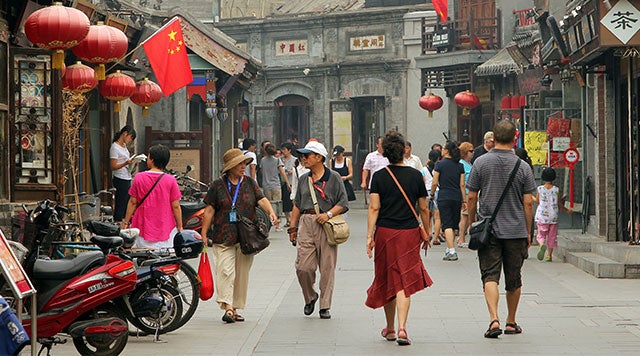
HutongHutong Lunch

Explore Beijing’s historic hutongs on a guided tour for a glimpse into the daily lives of Old Beijingers. These traditional residential neighborhoods are characterized by low, flat-roofed buildings and narrow lanes, offering an intimate view of authentic Beijing life. Whether on a guided walking tour or by rickshaw, you’ll witness the simple beauty of daily routines—children playing, the aromas of home-cooked meals, and merchants preparing their shops. It’s a chance to connect with China’s rich humanity, often overshadowed by grand monuments. As part of our tour, you’ll enjoy lunch in the home of a local Chinese family, providing an authentic taste of Chinese hospitality. It’s an experience not to be missed!
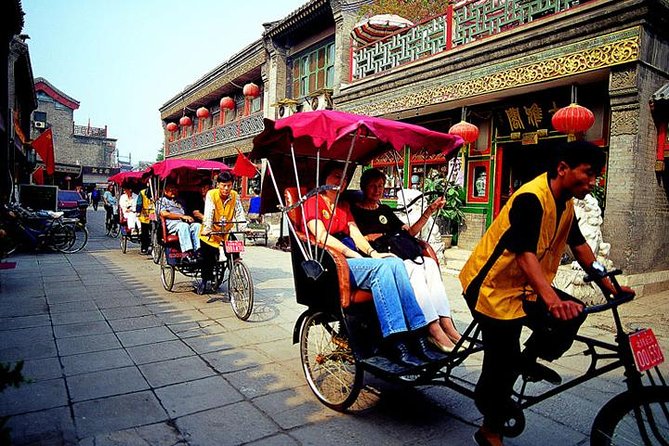
Hutong Rickshaw Ride

After lunch, you will take a rickshaw to explore the Hutong area, where you would see the old Beijing portion and learn real local life style.

Chinese Acrobatics
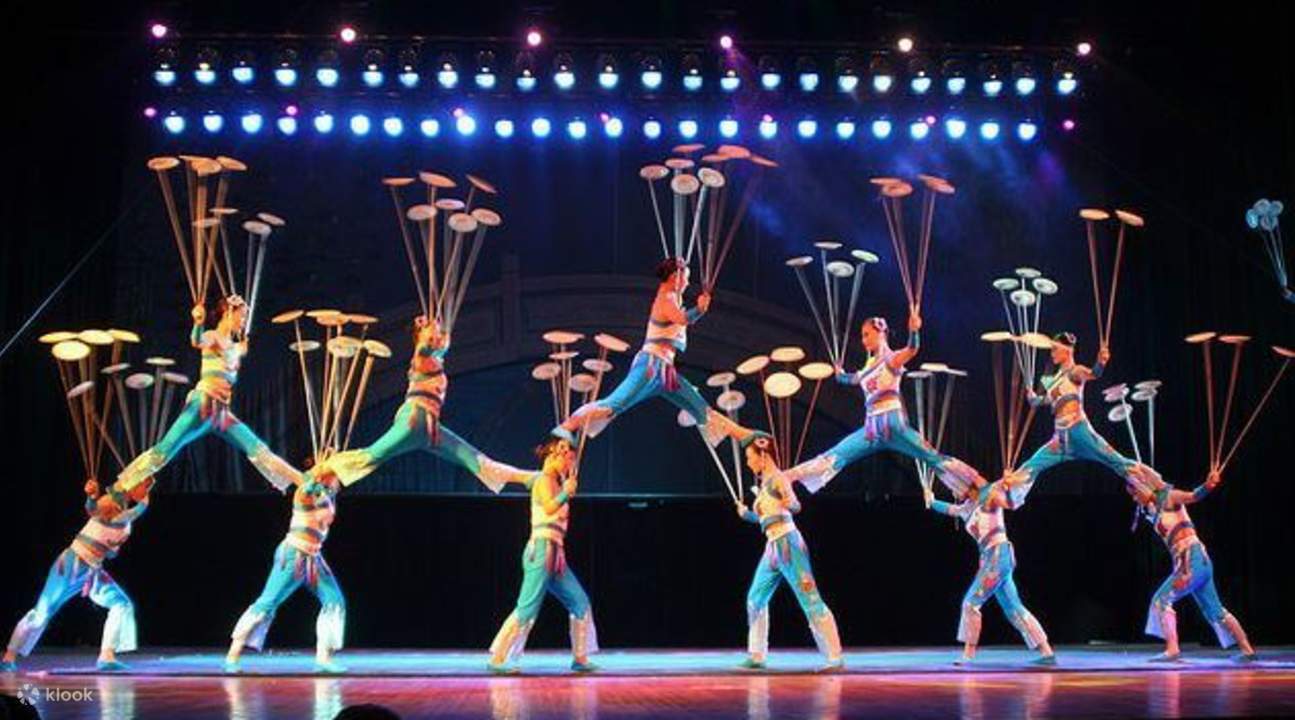
Chinese AcrobaticsChinese Acrobatics

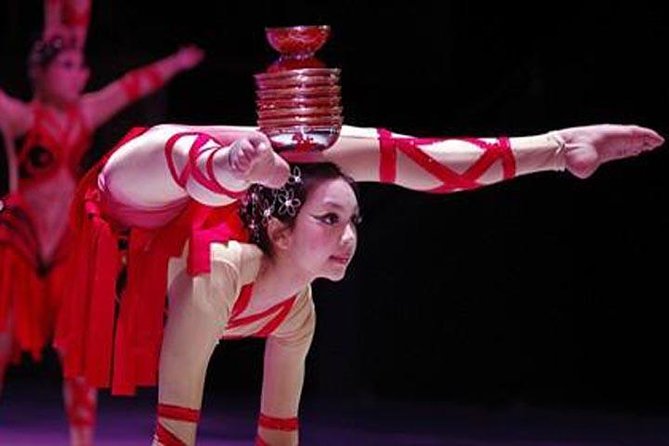
Acrobatics is a traditional Chinese performing art with a history spanning thousands of years, blending strength, flexibility, agility, and coordination. Acrobats execute a variety of stunts and tricks that demand exceptional physical skill and control. Beyond entertainment, acrobatics is also considered a sport, often requiring teamwork and coordination, thus fostering trust and communication skills. Additionally, acrobatics promotes balance, flexibility, and overall physical fitness. Popular acrobatic techniques include the human pyramid, where acrobats stack themselves to create towering structures, and contortionism, where performers contort their bodies into astonishing positions.

Free Evening and Dinner on your own

Stay at Crowne Plaza Beijing Lido (or similar)
DAY 13
20 September

Breakfast (Included)
Free Day on your own

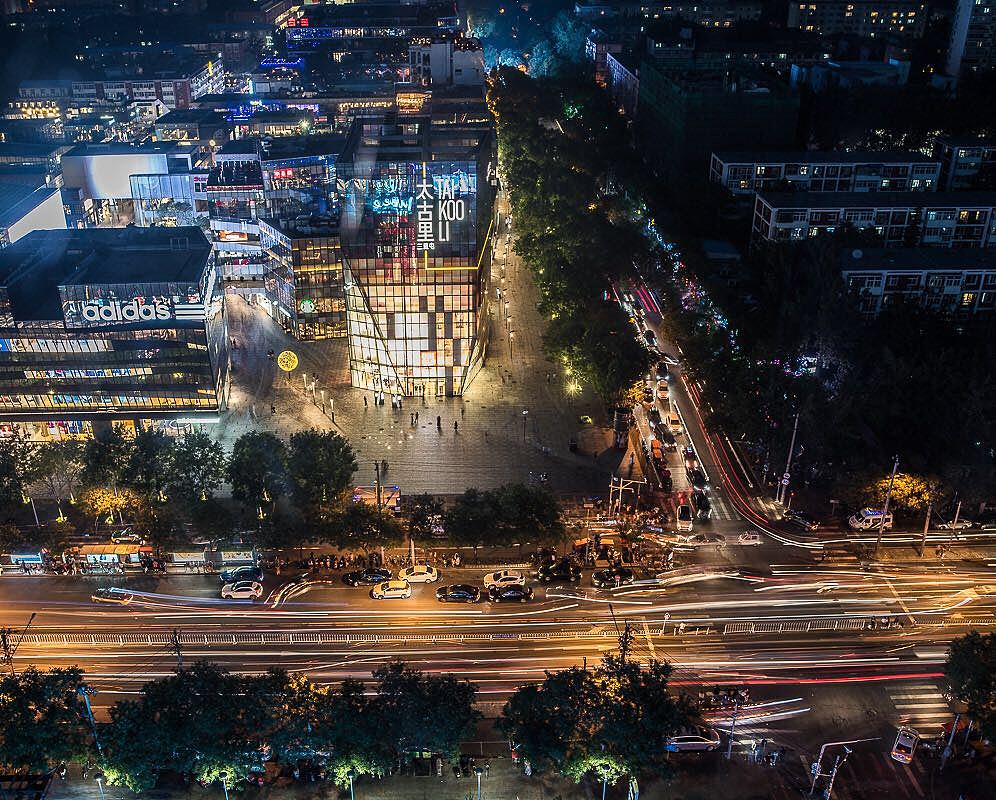
Sanlitun Shopping Mall (Recommended Activity)

Sanlitun Shopping MallSanlitun Shopping Mall

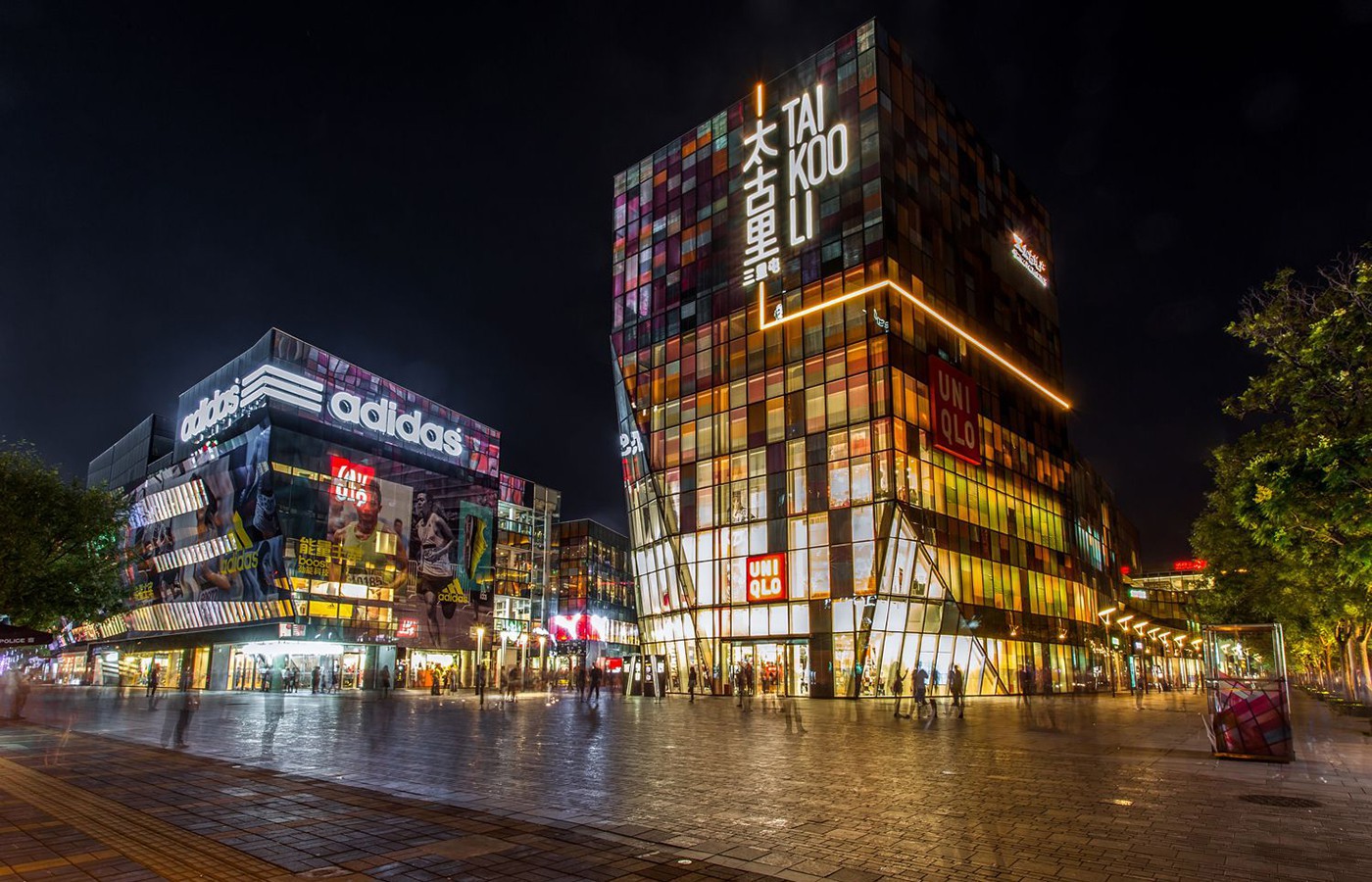
Sanlitun Shopping Mall, located in the heart of Beijing’s trendy Sanlitun area, is a premier shopping destination renowned for its diverse array of shops, boutiques, restaurants, and entertainment options. This modern shopping complex offers an eclectic mix of both international and domestic brands, catering to a wide range of tastes and preferences. From fashion and accessories to electronics and home goods, Sanlitun Shopping Mall provides a one-stop shopping experience for visitors. Additionally, the mall boasts a vibrant atmosphere, with stylish cafes, restaurants, and bars, making it a popular hangout spot for both locals and tourists alike.

Wangfujing Walking Street (Recommended Activity)

Wangfujing Walking StreetWangfujing Walking Street

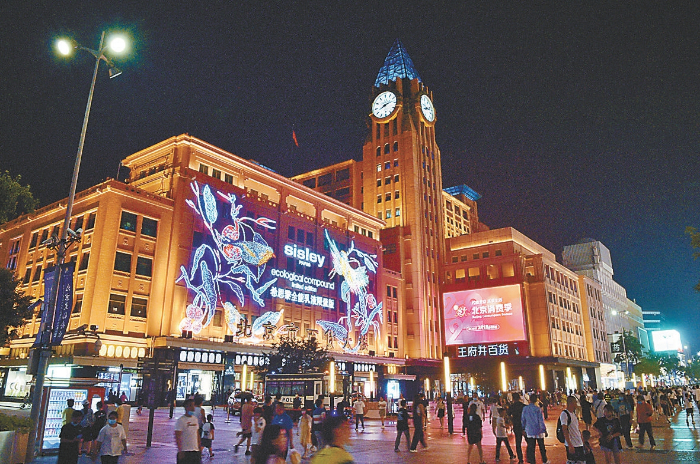
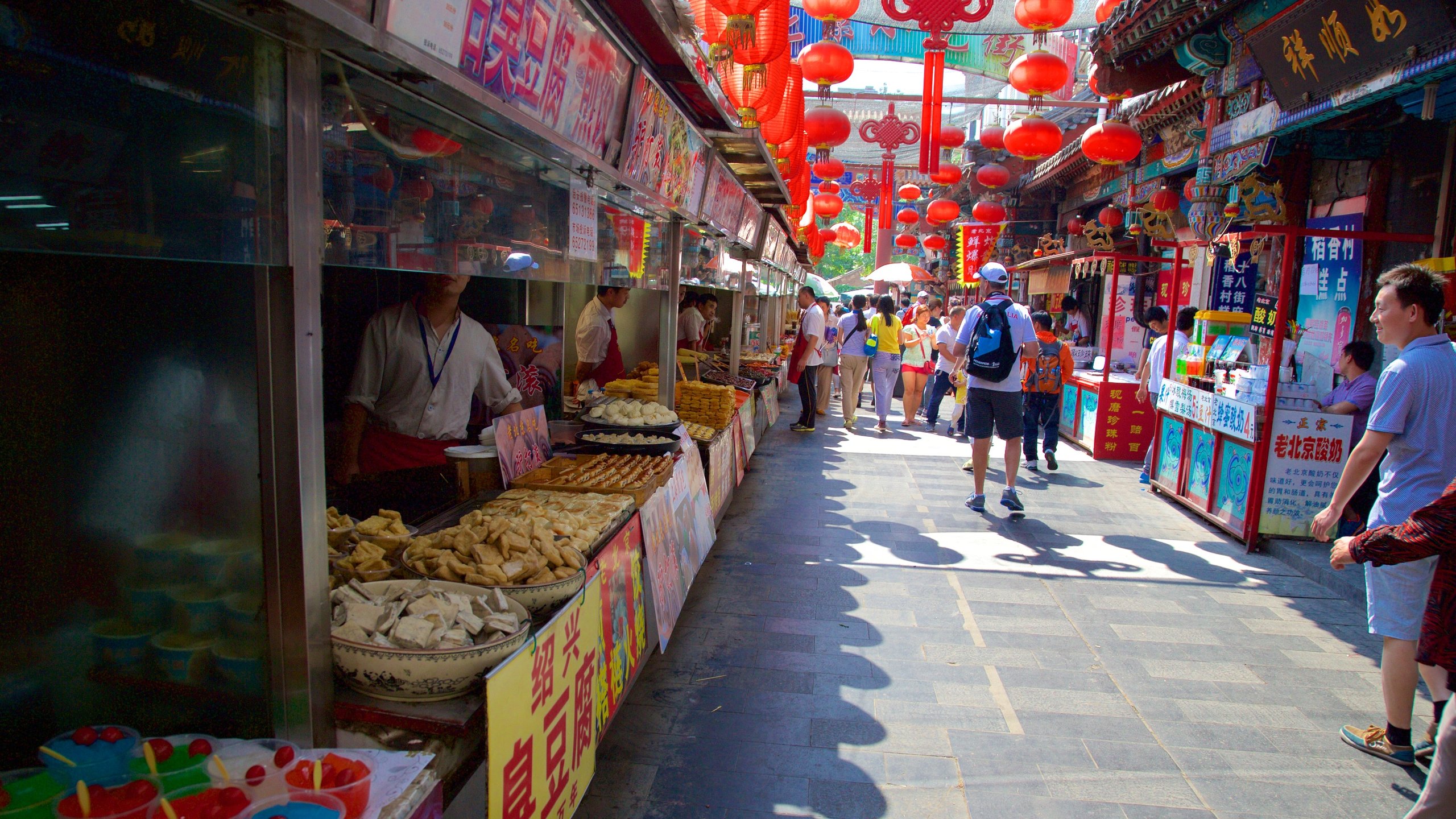
Wangfujing Street is one of the most famous and bustling shopping streets in Beijing, China. Located in the heart of the city, it is renowned for its vibrant atmosphere and diverse array of shops, restaurants, and street vendors. Here, visitors can find everything from traditional Chinese snacks to high-end luxury brands. Wangfujing is also home to several historic landmarks, including the Wangfujing Catholic Church and the Beijing Department Store. Whether exploring the lively street during the day or experiencing its colorful lights and bustling nightlife, Wangfujing offers an unforgettable shopping and cultural experience for locals and tourists alike.

Check-out from Hotel @ 6pm

Farewell Dinner at Restaurant

Bus Ride to the Airport

Flight Beijing (China) > Auckland (NZ)

Air China

Air China – CA783 (21 Sept 0100 Departure)
Other Information
Interpretation of 144-hour Visa-free Transit Policy for Foreigners from Some Countries
https://en.nia.gov.cn/n162/n227/c58964/content.html

Special Notes:
– The price is based on double occupancy for one room. Single travelers need to pay the single room supplement.
– A deposit of 2500 NZD/person is required for booking, with the remaining balance to be paid before July 20, 2024.
– The tour’s flight tickets are non-refundable, non-transferable, and non-changeable according to airline regulations. In case of force majeure events covered by the airline’s agreement, they will be handled according to the airline’s regulations.
– Customers must ensure that they and their companions have valid passports and visas before departure and throughout the trip.
– The travel agency is not responsible and will not refund any fees if customers are unable to enter due to visa or passport issues or if their trip is delayed.
– Differences in children’s fees and other changes will be paid in Japanese yen in cash upon arrival in Japan.
– Cancellation fees apply according to the specified terms, with varying percentages deducted based on the cancellation date.
– Losses and expenses incurred due to force majeure factors during the trip.
Terms and Conditions
– All items in the itinerary will be determined based on actual circumstances such as epidemic/pandemic, weather, traffic, flight delays and other force majeure factors). The company reserves the right to adjust the itinerary according to the actual situation, and customers shall not demand compensation, withdraw from the tour, or change the tour date due to this reason.
– The company reserves the right to adjust the final price and itinerary order due to seasonal pricing, hotel, flight changes, regional conditions, and other force majeure reasons.
– Accommodation resources in Tahiti are limited. ATravel will adjust hotels based on actual circumstances. A triple room defaults to one large bed plus one small bed or two double beds. Guests are responsible for arranging this on their own.
– For additional terms, please refer to ATravel Terms and Conditions.
13 Days - Japan & China Culture, History & Sights
13 Days
Max Group Size
20
Duration
13 DAYS
Accommodation Rating
International Flights Included?
Yes
Departure Date
08/09/2024
Physical Level
1/5 = Relaxing break, minimal physical demands optional
Price from
$
7999
per person
Single Supplement Price from
$
1612.63
per person
Additional Price Information
* Children are charged at the Adult price
* Children under 2 yrs old that do not require a bed or meals are at $2,500 per child.

– The price is based on double occupancy for one room. Single travelers need to pay the single room supplement.
– A deposit of $2,500 NZD/person is required for booking, with the remaining balance to be paid before July 20, 2024.
– The tour’s flight tickets are non-refundable, non-transferable, and non-changeable according to airline regulations. In case of force majeure events covered by the airline’s agreement, they will be handled according to the airline’s regulations.
– Customers must ensure that they and their companions have valid passports and visas before departure and throughout the trip.
– The travel agency is not responsible and will not refund any fees if customers are unable to enter due to visa or passport issues or if their trip is delayed.
– Differences in children’s fees and other changes will be paid in Japanese yen in cash upon arrival in Japan.
– Cancellation fees apply according to the specified terms, with varying percentages deducted based on the cancellation date.
– Losses and expenses incurred due to force majeure factors during the trip.
China 144-hour Visa-free Transit Policy from some countries

Citizens of 54 countries and regions in Europe, America, Oceania, and Asia can enter China without applying for a Chinese visa if they hold valid international travel documents and possess a third-country visa along with an interline ticket with a fixed date and seat to a third country (or region) within 144 hours upon arrival. 

Foreign passengers should apply at the 24/144-hour waiting area in arrivals border inspection in China Immigration Inspection by providing a completed Temporary Immigration Card for Foreigners, valid international travel documents, third-country (region) visas, interline tickets booked within 144 hours upon arrival, and pre-printed hotel vouchers.

The policy applies to 54 countries:

25 European member countries of Schengen Visa Scheme: Austria, Belgium, Czech Republic, Denmark, Estonia, Finland, France, Germany, Greece, Hungary, Iceland, Italy, Latvia, Lithuania, Luxembourg, Malta, the Netherlands, Poland, Portugal, Slovakia, Slovenia, Spain, Sweden, Switzerland, Norway.

15 other European countries: Russia, the United Kingdom, Ireland, Cyprus, Bulgaria, Romania, Ukraine, Serbia, Croatia, Bosnia and Herzegovina, Montenegro, Macedonia, Albania, Monaco, Belarus.

6 American countries: the United States, Canada, Brazil, Mexico, Argentina, Chile.

2 Oceania countries: Australia, New Zealand.

6 Asian countries: South Korea, Japan, Singapore, Brunei, the United Arab Emirates, Qatar.